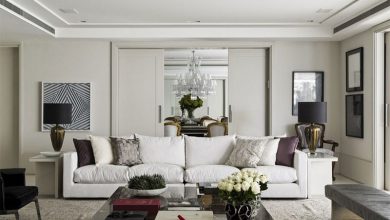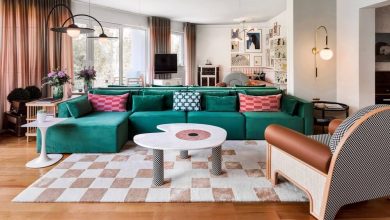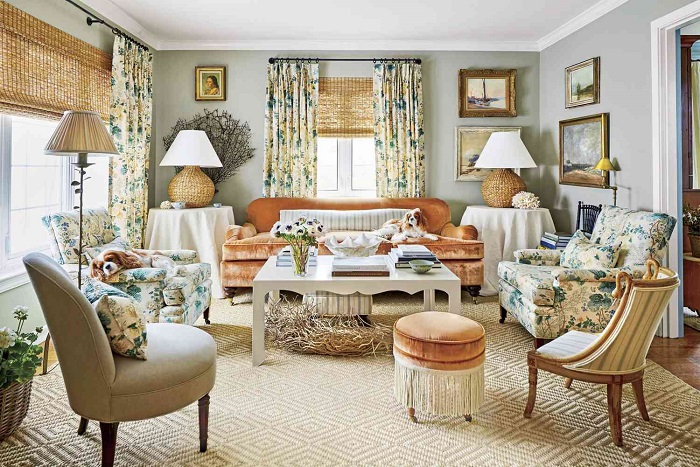
The impulse to revive a tired room often leads homeowners toward costly, labor-intensive projects: replacing a large sectional, repainting an entire open-concept living area, or buying new case goods. Yet interior designers know that the emotional resonance, warmth, and visual energy of a living room rarely reside in the heavy furniture frames. They live in soft textiles.
Textiles are the most versatile, high-impact levers in residential decorating. Cushions, area rugs, and throw blankets soften hard architectural lines, dampen acoustic echo, introduce varied tactile friction, and balance room lighting, all without the permanent commitment or expense of moving structural furniture. Transforming a room on a modest budget requires moving past haphazard impulse purchases at discount home stores. Real transformation comes down to understanding scale, choosing materials for durability, and applying deliberate layering techniques.
Anchoring the Room: The Strategic Foundation of Area Rugs
An area rug is not an afterthought; it is the visual anchor that defines spatial boundaries and establishes the foundation for everything sitting on top of it. One of the most prevalent design mistakes in living spaces is the floating island rug, where a small four-by-six-foot rectangle sits adrift in the middle of a seating group, touching neither the sofa nor the accent chairs. This disrupts sightlines, shrinks the perceived footprint of the room, and leaves the room feeling fragmented.
The Double-Rug Layering Technique
Purchasing a large, eight-by-ten or nine-by-twelve woven wool rug can easily strain a modest decorating budget. A proven, designer-approved workaround is the layered rug technique. Start with an oversized, affordable natural fiber base rug made from broad-weave jute, sisal, or flat-woven seagrass. These materials provide rich, organic texture and earthy neutrality at a fraction of the cost of knotted wool.
Once the base rug anchors the seating perimeter—extending generously under the front legs of the sofa and accent chairs—layer a smaller, more expressive accent rug on top. This upper layer can be a low-pile printed vintage runner, a faux-cowhide, or a Turkish kilim reproduction placed centered under the coffee table. The layering introduces instant visual depth, masks floor imperfections, and protects high-traffic zones while keeping total expenditures remarkably low.
Material Selection for Realistic Durability
Budget-conscious decorating requires an honest assessment of synthetic fiber performance. Modern high-density polypropylene and polyester rugs mimic the matte appearance of natural wool surprisingly well, while offering superior stain resistance and ease of cleaning.
For households with young children or active pets, flat-weave indoor-outdoor rugs brought into living rooms provide effortless vacuuming and resistance to claw snags without looking industrial. Look for low-luster weaves with subtle abrash patterns—gradual tonal variations that emulate hand-dyed yarns—which hide daily dust and foot traffic far better than flat, solid synthetic piles.
Upgrading Cushion Arrangements with Designer Math
Swapping out throw pillows is the quickest way to manipulate a room’s color story, yet many homeowners end up with a stiff, symmetrical lineup of matching pillows that look straight out of a showroom package. Creating an effortless, high-end look requires a deliberate mix of internal structure, scale, and pattern density.
The Secret Weapon: High-Density Down Inserts
The difference between a cheap-looking cushion and a high-end designer accent is almost never the cover; it is the internal fill. Inexpensive retail pillows come pre-stuffed with stiff polyester batting that retains a rigid, bouncy shape and quickly clumps into lumpy corners after a few weeks of sitting.
To instantly upgrade your decor, purchase removable cushion covers and pair them with separate feather-and-down or micro-denier synthetic down inserts. Always size up: if your decorative cover measures eighteen by eighteen inches, stuff it with a twenty-by-twenty-inch insert. This sizing trick creates a plump, tailored cushion with dense structural corners that holds the classic designer crease across the top, transforming inexpensive clearance covers into luxurious accents.
Balancing Scale, Texture, and Pattern
When building a pillow arrangement across a sofa or sectional, avoid matching identical pairs. Instead, follow a structured hierarchy based on scale:
-
Foundation corners: Start at the outer corners with your largest cushions, typically twenty-two or twenty-four inches, in solid, heavily textured fabrics such as stonewashed linen, ribbed velvet, or woven bouclé.
-
Secondary mid-scale patterns: Layer inward with medium-sized cushions around twenty inches, featuring subtle block prints, woven stripes, or micro-geometric motifs that introduce visual interest without clashing with the sofa upholstery.
-
The focal accent: Finish with a single horizontal lumbar cushion placed in the center of the sofa or tucked into an accent armchair. The lumbar introduces an organic silhouette contrast against the sea of square cushions, utilizing rich materials like vintage mudcloth, saddle-stitch leather, or nubby wool tweed.
Draping Throws for Dimension and Movement
A throw blanket serves two masters: physical warmth during an evening wind-down and visual softness that breaks up the continuous, monochromatic planes of sofa upholstery. However, simply tossing a blanket across a sofa arm often looks untidy rather than inviting.
Texture Friction Over Loud Prints
If your sofa fabric is smooth leather or tightly woven performance polyester, a smooth acrylic throw will feel visually flat. Elevate the composition by introducing tactile friction.
Pair slick leather with chunky cable-knit cotton, waffle-weave wool, or brushed mohair alternatives. Conversely, if your sofa features a heavily textured tweed or linen, opt for a fine-gauge knit, washed waffle gauze, or lightweight herringbone throw with delicate fringed ends. The contrast between rough and smooth surfaces creates visual richness without relying on loud, distracting graphics.
Mastering the Structured Fold Versus the Casual Drape
How a throw is displayed sets the mood of the room. For a tailored, architectural atmosphere, fold the throw lengthwise into a crisp, narrow runner and drape it vertically down the middle of a sofa cushion, tucking the top behind the backrest and letting the fringed hem brush the floor.
For an organic, relaxed aesthetic, use the pinch-and-drape method: pinch the blanket roughly by its center, shake it out so the corners fall naturally, and drape it diagonally across a chaise lounge corner or down the inside arm of an armchair, letting the fabric pool gently against the seat cushion.
Unifying the Palette to Prevent Visual Chaos
The danger of collecting affordable soft furnishings is ending up with an accidental kaleidoscope of unrelated patterns, tones, and competing textures. A refreshed space feels cohesive when tied to a disciplined three-tiered color framework.
Establish a sixty-thirty-ten ratio for your soft textiles:
-
Sixty percent foundational neutral: The majority of your textile volume should remain neutral and grounded, pulling from warm cremes, oatmeal, slate, or charcoal already present in your walls and flooring.
-
Thirty percent secondary tone: Introduce a secondary complementary color, such as warm cognac, sage green, or muted terracotta, that echoes nearby wall art or houseplants.
-
Ten percent high-contrast accent: The final touch is your high-contrast pop, introduced through dark piping on a cushion, a rich fringe on a throw, or the graphic border of an accent rug.
By restricting the color family and maximizing textural variety, every piece speaks to the next without competing for attention.
Elevating your home interior does not demand massive capital expenditure or disruptive renovations. By shifting your focus toward the tactile perimeter of your living space—anchoring seating areas with properly proportioned rugs, plumping cushions with resilient inserts, and layering throws that invite touch—you create a rich, layered aesthetic that feels curated over time. Thoughtful textile styling proves that genuine luxury is a product of intention, proportion, and texture rather than a large price tag.