
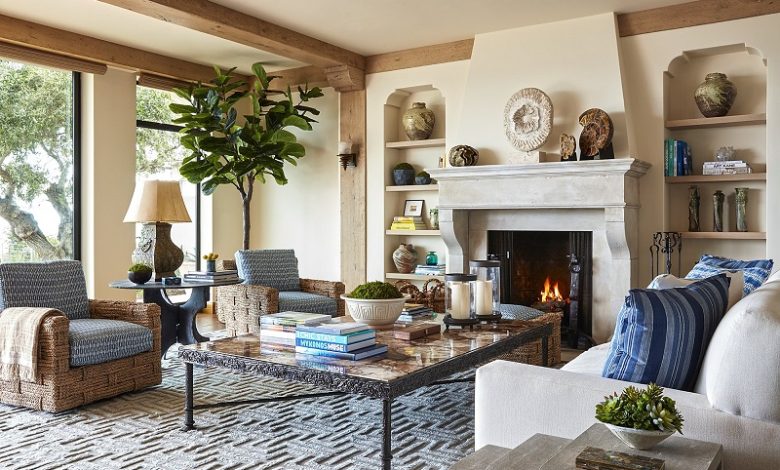
Walking into a room styled strictly from a single furniture catalog can feel strangely unmoored. Even when the fabrics are pristine and the silhouettes are current, a space made up entirely of brand-new pieces often lacks soul, resembling a commercial showroom rather than a lived-in home. At the opposite end of the spectrum, an interior filled entirely with antiques can easily read as heavy, fragile, and frozen in time, suffocating daily life beneath layers of dark varnish and historical baggage.
The most captivating interiors resist the safety of single-era decorating. When you intentionally pair the clean lines of contemporary design with the aged character of vintage finds, something remarkable happens: dynamic tension. The sleek precision of modern engineering makes the weathered patina of an antique look richer, while the aged irregularities of an heirloom rescue modern pieces from feeling sterile. Mastering this balance is not about haphazardly throwing old and new items into the same room; it is an exercise in scale, materiality, and deliberate contrast.
The Principle of Dynamic Tension and Proportional Dominance
Contrast is the visual engine of eclectic design. If every object in a room speaks with the same visual voice, the eye ceases to notice individual treasures. A minimalist sofa flanked by two contemporary side tables can look flat, but slip a hand-carved nineteenth-century chest of drawers next to that same modern linen sofa, and both pieces suddenly command attention. The stark contrast between smooth upholstery and scarred timber forces the viewer to register the distinct qualities of each.
To keep this friction from devolving into visual chaos, establish a clear eighty-twenty proportional hierarchy. Decide which era will serve as the dominant backdrop and which will provide the counterpoint:
-
The modern canvas with vintage accents: Eighty percent of the room consists of clean architectural lines, neutral contemporary upholstery, and modern infrastructure. The remaining twenty percent introduces high-impact vintage additions, such as an antique French gilded mirror, an aged Persian tribal runner, or an industrial task lamp. This approach keeps rooms feeling light, open, and functional while injecting historical depth.
-
The historical envelope with contemporary interventions: Eighty percent of the room celebrates original architecture—ornate ceiling medallions, plaster crown moldings, and vintage hardwood floors. The twenty percent counterpoint arrives via razor-thin modern lighting fixtures, abstract large-format canvas art, and low-profile modern Italian seating. The bold modern additions stop historical architecture from feeling like a museum exhibit.
Committing to a primary style establishes a grounding anchor, allowing contrasting elements to feel like intentional choices rather than accidental leftovers.
Grounding the Room: Contemporary Foundation Furniture
When mixing eras, utility and physical comfort should always dictate large upholstered investments. While an authentic Victorian fainting couch or a delicate mid-century settee looks exquisite, antique seating often fails the demands of modern lounging, movie watching, and daily wear.
Invest in high-quality contemporary foundation pieces for your largest items. A deep, comfortable sectional, a supportive modern mattress, and a clean-lined media console provide structural reliability, durable performance fabrics, and modern proportions. Modern upholstery also provides a clean, neutral horizon that lets sculptural vintage accents stand out.
Once your functional base is anchored, introduce vintage items as your hard accents: case goods, side tables, dining chairs, consoles, and architectural lighting. A mid-century teak credenza makes a phenomenal sideboard in a modern dining room, just as a pair of weathered leather club chairs can frame a clean contemporary fireplace mantel with instant warmth.
The Connective Tissue: Unifying Timbers, Metals, and Color
A successful mix of eras relies on subtle threads of continuity that tie disparate centuries together. Without these connective elements, a room feels fragmented.
Harmonizing Diverse Wood Tones
Homeowners often worry that mixing wood species breaks an interior rule. In reality, matching every piece of furniture in the exact same stain produces a flat, uninspired set. You can combine pale modern white oak with deep antique walnut, provided you match the underlying color temperature.
Examine the undertones of your wood pieces. Does the timber lean warm with undertones of amber, honey, and cinnamon, or does it sit cool with ash, gray, and espresso notes? Pairing a golden pine farm table with warm cognac-toned mid-century chairs works because their warm undertones harmonize. If you mix warm and cool woods, ensure you repeat each temperature at least twice in the space through picture frames, bowl turnings, or shelving, making the combination look calculated.
Curating a Living Metal Story
Avoid the sterile look of perfectly matched hardware. A room that features only brushed nickel can look flat and institutional. Vintage interiors thrive on living finishes with authentic patina.
Pair sleek, matte-black architectural light tracks or steel-framed windows with warm, unlacquered brass hardware on an antique sideboard. Unlacquered brass, bronze, and copper age naturally, developing localized darkening that tells a tactile story. Mixing two to three metals across a room—such as pairing blackened iron with antique brass and subtle chrome accents—creates a layered, collected atmosphere that defies a specific decade.
Restricting the Palette to Unify Form
When you mix furniture shapes from different centuries, keep your color palette disciplined. A wild clash of disparate silhouettes combined with a riot of saturated colors quickly overwhelms the senses. Choose a cohesive palette of three to five tones drawn from your foundational vintage piece—such as the faded vegetable dyes of an antique rug—and carry those shades quietly across modern drapery, contemporary art, and accent cushions. Color restraint allows complex historic carvings and clean modern geometries to coexist peacefully.
The Art of the Curated Vignette: Juxtaposing Scale and Form
Vignettes are small, intentional groupings where vintage and contemporary elements physically meet. Approaching a room through localized vignettes makes styling far less intimidating.
-
Abstract art against historical woodwork: Hang a large, unframed minimalist color-field painting directly over an ornate, dark mahogany fireplace mantel or an antique carved buffet. The spare geometry of the canvas provides relief from the detailed woodwork, while the ornate carving gives the modern art architectural gravitas.
-
Modern statement lighting above antique surfaces: Suspend a dramatic, multi-arm mid-century chandelier or a sculptural paper pendant directly over an unpolished, reclaimed pine refectory dining table. The contrast between rough-hewn timber and sleek lighting creates instant drama.
-
Antique frames on modern photography: Frame crisp, black-and-white architectural photography or modern sketches within heavily carved, tarnished vintage frames. This framing technique bridges the gap between old-world craftsmanship and contemporary subject matter.
The Discipline of Negative Space and Editing
The most common trap when sourcing vintage decor is over-collecting. Flea markets, estate sales, and secondhand shops are addictive; before long, every flat surface becomes crowded with brass candlesticks, vintage globes, and stacks of aged paperbacks.
Every vintage piece requires uncluttered negative space around it to be seen and appreciated. If you place a rare art-deco accent table next to an elaborate antique armoire, both fight for attention and cancel each other out. Give bold vintage silhouettes room to breathe by surrounding them with clean, plain walls and unadorned contemporary surfaces.
Step back regularly and edit your arrangements. If a vignette feels heavy or cluttered, remove two items. What remains will immediately gain presence and importance.
Mixing vintage and contemporary elements is not a project you finish in a single weekend with a credit card swipe. It is a slow, deeply satisfying evolution that reflects your travels, your curiosities, and your evolving tastes. By allowing different eras to converse freely within your home, you create an interior that is uniquely personal, utterly timeless, and impossible to replicate.


