Creating a home that feels both stylish and comfortable requires more than simply placing furniture and hanging art. It’s about thoughtful choices that blend functionality, personality, and design harmony. With the right decor tips, you can transform any living space into a welcoming environment that reflects your lifestyle while remaining timeless and practical.
Start with a Clear Vision
Before rushing into purchases, outline the mood and style you want to achieve. Whether your preference leans towards modern minimalism, rustic warmth, or eclectic charm, having a vision prevents impulsive buys and helps you maintain consistency. Inspiration boards or digital mood boards can be especially useful in visualising your ideas.
Choosing the Right Colour Palette
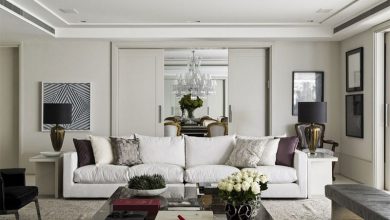
Colour sets the tone for your entire home. Selecting a cohesive palette ensures flow between rooms and creates balance. Neutral foundations such as beige, soft grey, or cream can be paired with accent shades like deep green, navy, or blush to add depth. Always consider natural light in your space, as it can change how colours appear throughout the day.
Accent Walls and Highlights
-
Use wallpaper or textured paint for a statement wall.
-
Add vibrancy with cushions, rugs, or throws in bold shades.
-
Choose metallic or wooden finishes to bring contrast.
Furniture Selection and Placement
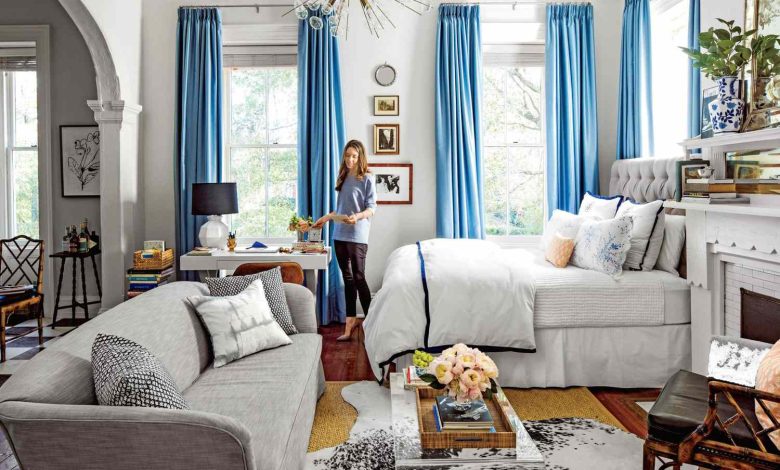
Furniture should serve both form and function. Measure your room carefully to avoid oversized pieces that crowd the space. Opt for multipurpose furniture like ottomans with storage or extendable tables for small areas. Placement is equally important; leave enough room for walking paths to make the space feel open and inviting.
Tips for Balanced Arrangement
-
Anchor large items (like sofas) against walls or in central areas.
-
Mix tall and low furniture to create visual variety.
-
Use area rugs to define seating zones in open-plan layouts.
Lighting as a Design Element
Lighting isn’t just practical; it dramatically influences mood. Layer your lighting with a mix of overhead fixtures, task lamps, and accent lighting. Warm light creates a cosy feel, while cooler tones enhance focus in work areas.
Ways to Enhance with Lighting
-
Add dimmer switches to adjust brightness for different occasions.
-
Place mirrors opposite windows to reflect natural light.
-
Use floor lamps or wall sconces to add elegance to corners.
Incorporating Texture and Layers
Texture adds richness to interiors. A blend of materials like wood, glass, linen, velvet, or stone creates dimension and prevents spaces from looking flat. Layering also makes a home feel curated.
Examples of Effective Layering
-
Combine patterned cushions with plain ones.
-
Add a knitted throw over a leather sofa.
-
Mix matte finishes with glossy accents.
Art, Decor, and Personal Touches
Artwork and decorative objects are where your personality shines. Choose pieces that mean something to you rather than filling walls with generic options. Rotate accessories seasonally for a fresh look without major redecorating.
Personalisation Ideas
-
Display travel souvenirs or family heirlooms.
-
Create a gallery wall with photos and prints.
-
Style coffee tables with books, candles, or small plants.
Maximising Small Spaces
For smaller homes, smart decor tips can make spaces feel larger and more functional. Light-coloured walls, strategically placed mirrors, and compact furniture are all effective.
Space-Saving Suggestions
-
Use vertical shelving for storage without cluttering the floor.
-
Choose foldable or stackable furniture.
-
Keep clutter hidden with storage baskets and built-in units.
Bringing Nature Indoors
Plants not only improve air quality but also enhance aesthetics. From large potted trees to tiny succulents, greenery brings life to any room. Select low-maintenance plants if you’re new to gardening.
Seasonal Decor Transitions
Rather than redecorating from scratch, adapt your interiors with seasonal accents. Swap cushion covers, add cosy throws in winter, or introduce lighter fabrics in summer. These simple updates keep your home feeling in tune with the time of year.
Blending Old and New
Mixing vintage and modern elements creates a layered, lived-in effect. Antique furniture can be paired with sleek contemporary accessories, adding both character and freshness to your home.
Practical Storage Solutions
Clutter can diminish the beauty of any decor. Stylish storage helps maintain tidiness while enhancing design. Built-in wardrobes, floating shelves, and hidden storage in furniture are practical yet elegant solutions.
FAQ Section
How can I choose the right decor style for my home?
Start by identifying your lifestyle needs and what makes you feel comfortable. Collect inspiration images and see which themes repeat, whether it’s minimal, rustic, or vibrant. From there, build your decor choices around that consistent style.
What’s the easiest way to refresh a room without redecorating fully?
Textiles are the simplest route. Swap curtains, cushions, or rugs for new colours or patterns. Adding plants, artwork, or rearranging furniture can also give a space a completely new feel.
Are there affordable ways to make my home look stylish?
Yes, focus on small, high-impact elements such as lighting, wall art, and accessories. DIY projects like painting furniture or creating wall hangings are cost-effective yet stylish.
How can I prevent small rooms from feeling cramped?
Choose light colours, multipurpose furniture, and reflective surfaces like mirrors or glass. Avoid bulky furniture and keep pathways clear for a more spacious impression.
Should every room in my home follow the same decor theme?
Not necessarily, but having a unifying colour palette or repeating design element (like wood tones or metallic finishes) ensures cohesion. Each room can have its own personality while still complementing the rest of the home.
How important is lighting in home decor?
Extremely important. Lighting sets the atmosphere, highlights features, and even impacts perceived room size. Always layer lighting with a mix of overhead, task, and accent sources to create flexibility.