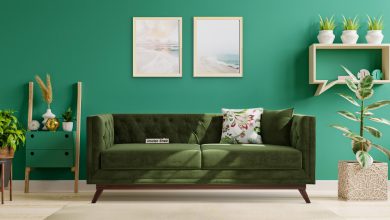
Understanding the Role of Furniture in Everyday Life
Furniture is more than functional objects that fill a room. It shapes how we live, work, and interact with our surroundings. From the comfort of a sofa in the living room to the practicality of a dining table, furniture has a direct impact on lifestyle, productivity, and personal expression. When selecting furniture, people often consider style, durability, cost, and comfort, balancing aesthetics with practicality.
Whether it’s a minimalist chair or a statement bed frame, the right choice can transform the atmosphere of a home. Furniture also plays a significant role in property value and interior design, making it an essential aspect of both residential and commercial spaces.
Key Categories of Furniture
Living Room Furniture
The living room is often the heart of a home, where people gather, relax, and entertain. Common pieces include:
-
Sofas and sectionals for comfort and seating capacity
-
Coffee tables that serve both practical and decorative purposes
-
TV units and media storage for entertainment organisation
-
Accent chairs to add personality and extra seating
Bedroom Furniture
A bedroom is a personal retreat, and furniture here should focus on comfort and rest.
-
Beds and frames designed for support and style
-
Wardrobes and dressers for storage and organisation
-
Bedside tables for convenience and night-time essentials
-
Chests and ottomans that combine function with design
Dining Room Furniture
Dining spaces bring families and guests together.
-
Dining tables available in wood, glass, or composite materials
-
Chairs and benches that complement the table style
-
Sideboards and cabinets for additional storage and display
Office Furniture
The rise of home working has boosted demand for comfortable and ergonomic furniture.
-
Desks that fit both compact and spacious areas
-
Office chairs with adjustable support
-
Storage units to keep documents organised
-
Shelving systems for books, files, and decorative items
Outdoor Furniture
Gardens, patios, and balconies benefit from durable and weather-resistant designs.
-
Rattan or wicker sets for a casual aesthetic
-
Metal frames with weatherproof finishes
-
Outdoor dining tables for gatherings
-
Loungers and hammocks for relaxation
Choosing the Right Materials
The quality of furniture largely depends on the material. Each material has distinct advantages and limitations.
Wood
-
Solid wood such as oak, teak, or walnut is durable and timeless
-
Engineered wood like MDF or plywood is cost-effective and versatile
-
Finishes such as varnish, lacquer, or natural oil protect and enhance the grain
Metal
-
Strong and long-lasting
-
Often used in modern and industrial designs
-
Powder-coated finishes prevent rust and wear
Glass
-
Adds lightness and modern appeal
-
Best used for tables and shelving
-
Requires regular maintenance for clarity
Upholstery
-
Fabrics offer comfort and variety in colour and texture
-
Leather provides durability and luxury appeal
-
Synthetic blends are budget-friendly and easy to clean
Plastic and Composites
-
Lightweight and affordable
-
Popular for outdoor and children’s furniture
-
Increasingly sustainable with recycled options
Balancing Style and Function
Traditional
Characterised by carved wood, ornate detailing, and classic patterns, traditional furniture often feels timeless and formal.
Modern
Clean lines, neutral tones, and sleek surfaces define modern styles. Often made from metal, glass, and composite materials.
Scandinavian
Known for minimalism, functionality, and light tones. Wood and natural fabrics dominate this design.
Rustic
Emphasises raw wood, natural finishes, and earthy tones. Rustic furniture adds warmth and authenticity.
Contemporary
Blends multiple styles with an emphasis on innovation, unique forms, and bold accents.
Practical Considerations When Buying Furniture
-
Space planning: Measure rooms carefully to avoid overcrowding
-
Ergonomics: Particularly vital for chairs, desks, and beds
-
Storage needs: Multi-functional furniture saves space
-
Budget: Balance investment between high-use and decorative pieces
-
Sustainability: Eco-friendly materials and ethical sourcing are increasingly important
Furniture Trends in the UK
Current trends highlight sustainability, multifunctionality, and personalised design. Compact urban living has encouraged modular furniture, while rural homes favour rustic and reclaimed wood. Upholstered beds and curved sofas are growing in popularity, blending comfort with style. Consumers are also more conscious about buying durable items rather than disposable pieces.
Maintaining and Caring for Furniture
Good care extends the life of furniture:
-
Dust wooden surfaces weekly and polish occasionally
-
Use coasters and placemats to protect dining tables
-
Vacuum upholstery and rotate cushions to maintain shape
-
Apply protective covers for outdoor sets
-
Tighten screws and fittings regularly to prevent instability
FAQs About Furniture
What furniture pieces are essential for a first home?
Essential items include a comfortable bed, a sofa, a dining table with chairs, and basic storage like wardrobes or shelves. These create a functional base to build upon.
How can I choose the right sofa for my living room?
Consider the size of your room, seating capacity required, and style preference. A corner sofa works well for large families, while a two-seater is ideal for compact flats.
Is it worth investing in solid wood furniture?
Yes, solid wood is highly durable and ages beautifully. Though more expensive, it often lasts decades and can be refinished if scratched or worn.
What’s the best material for outdoor furniture?
Rattan with UV protection, treated teak, or powder-coated aluminium are excellent choices, as they withstand weather while maintaining aesthetic appeal.
How do I make a small room look bigger with furniture?
Opt for multi-functional pieces, glass or mirrored surfaces, and raised legs to create a sense of openness. Avoid bulky furniture that dominates the space.
Can furniture increase property value?
Yes, well-chosen furniture enhances presentation and appeal during property viewings, helping potential buyers envision the lifestyle associated with the space.