Furniture color does far more than decorate a room—it quietly shapes mood, energy, and how a space is experienced day to day. The right color choices can make a home feel calm, lively, cozy, or expansive without changing the layout at all. Understanding furniture color psychology helps you design interiors that feel intentional, comfortable, and emotionally balanced.
This guide explores how different furniture colors influence home ambience, and how to use them wisely across rooms.
Understanding Color Psychology in Interior Design
Color psychology studies how hues affect human emotions and behavior. In interior spaces, furniture colors interact with light, wall tones, and textures to create a specific atmosphere.
Key factors that influence perception include:
-
Hue – the actual color (blue, red, green)
-
Saturation – intensity or softness of the color
-
Value – lightness or darkness
Furniture often occupies the visual center of a room, making its color one of the strongest emotional cues in interior design.
How Furniture Colors Shape Mood and Space
Warm Colors: Energy, Comfort, and Intimacy
Warm tones stimulate and energize. They work best in social or active spaces.
Common warm furniture colors:
-
Red – Passion, excitement, and bold character
-
Orange – Creativity and enthusiasm
-
Yellow – Cheerfulness and optimism
Best used in:
-
Living rooms
-
Dining areas
-
Creative studios
Warm colors can make large rooms feel cozier but may feel overwhelming if overused.
Cool Colors: Calm, Focus, and Relaxation
Cool shades bring balance and serenity, ideal for spaces meant for rest or concentration.
Popular cool furniture colors:
-
Blue – Calmness, trust, and mental clarity
-
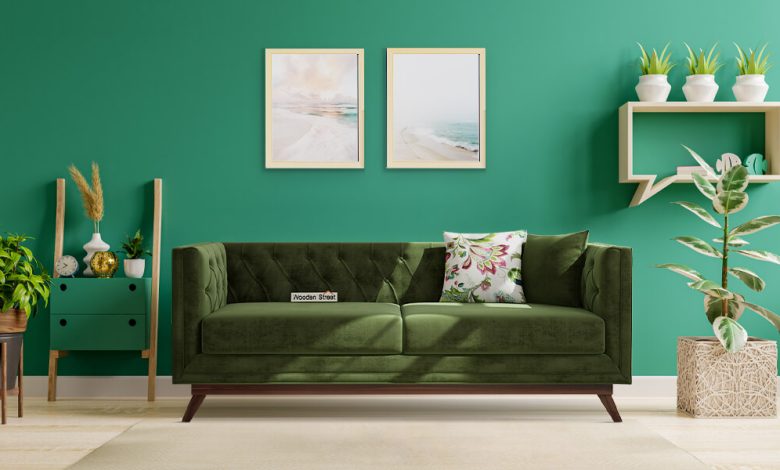
Green – Harmony, renewal, and connection to nature
-
Purple – Luxury and introspection (especially muted tones)
Best used in:
-
Bedrooms
-
Home offices
-
Reading corners
Cool-colored furniture can visually expand smaller rooms and create a soothing ambience.
Neutral Colors: Balance and Timeless Appeal
Neutral furniture acts as a stabilizing element in home design.
Common neutral tones include:
-
White – Cleanliness and openness
-
Gray – Sophistication and calm
-
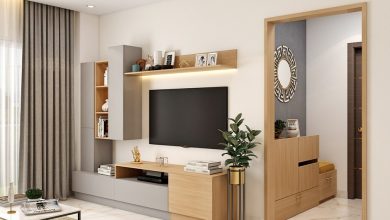
Beige and taupe – Warmth and versatility
-
Brown – Stability and earthiness
Neutrals are perfect for:
-
Minimalist interiors
-
Small apartments
-
Homes with changing décor styles
They also allow accent colors to shine without visual clutter.
Room-by-Room Furniture Color Guidance
Living Room
The living room sets the emotional tone of the home.
Recommended approaches:
-
Neutral sofas with colorful cushions for flexibility
-
Earthy browns for warmth and comfort
-
Muted blues or greens for relaxed conversation
Bedroom
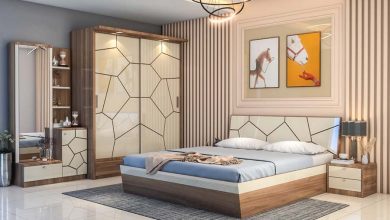
Bedrooms benefit from colors that reduce stress and encourage rest.
Ideal furniture colors:
-
Soft blues and greens
-
Warm neutrals like beige or light wood
-
Avoid overly bright or aggressive tones
Dining Room
Dining spaces thrive on warmth and stimulation.
Effective choices:
-
Dark wood tones for intimacy
-
Warm reds or oranges for appetite stimulation
-
Balanced neutrals paired with warm lighting
Home Office
Productivity increases with the right visual environment.
Best furniture colors:
-
Blues for focus and clarity
-
Greens for balance during long work hours
-
Neutral desks with subtle color accents
Choosing Furniture Colors for Long-Term Ambience
When selecting furniture colors, think beyond trends.
Consider:
-
Natural light in the room
-
Room size and ceiling height
-
Lifestyle needs (kids, pets, frequent guests)
-
Emotional goal of the space
A well-chosen furniture color palette should feel good not just visually, but emotionally—day after day.
Common Furniture Color Mistakes to Avoid
-
Using too many bold colors in one room
-
Ignoring how artificial lighting changes color perception
-
Matching all furniture to walls without contrast
-
Following trends without considering personal comfort
Balanced contrast often creates the most inviting ambience.
The Role of Texture and Finish in Color Perception
Color never exists alone. Furniture finishes can subtly shift how a color feels:
-
Glossy finishes feel modern and energetic
-
Matte surfaces feel calm and grounded
-
Natural wood grains add warmth regardless of color tone
Pairing color with the right texture enhances the emotional impact of furniture.
FAQs
1. How do furniture colors affect mood differently than wall colors?
Furniture colors are closer to eye level and frequently interacted with, making their psychological impact more immediate and personal than wall colors.
2. Is dark furniture bad for small spaces?
Not necessarily. Dark furniture can add depth if balanced with light walls, mirrors, and adequate lighting.
3. Can furniture color influence sleep quality?
Yes. Cool and muted furniture colors promote relaxation and can support better sleep patterns.
4. Are neutral furniture colors boring?
No. Neutrals create a timeless base and allow personality to shine through textures, accessories, and lighting.
5. How often should furniture colors be updated?
High-quality neutral furniture can last years, while accent pieces can be updated seasonally for freshness.
6. What furniture colors work best with natural light?
Soft neutrals, greens, and warm wood tones reflect daylight beautifully and maintain a balanced ambience.
7. Should all furniture in a room match in color?
Matching is not required. Coordinated contrast often creates a more dynamic and visually appealing space.