Healthy soil is the foundation of a productive garden. Whether you grow vegetables, flowers, or ornamental plants, improving soil quality leads to stronger roots, better nutrient uptake, and higher yields. Good soil is not just dirt—it is a living ecosystem that supports plant growth from the ground up.
This guide explains practical, proven ways to improve garden soil naturally and sustainably.
Understand Your Soil Before You Start
Before making changes, it’s important to understand what kind of soil you already have. Soil texture affects drainage, nutrient retention, and root development.
Common soil types include:
-
Sandy soil – Drains quickly but struggles to retain nutrients
-
Clay soil – Holds nutrients well but drains poorly
-
Loamy soil – Balanced, fertile, and ideal for gardening
A simple soil test can reveal pH levels and nutrient deficiencies, helping you apply the right improvements instead of guessing.
Add Organic Matter Regularly
Organic matter is the single most effective way to improve soil health. It enhances structure, boosts microbial life, and increases nutrient availability.
Best sources of organic matter:
-
Compost made from kitchen scraps and yard waste
-
Well-rotted animal manure
-
Leaf mold from decomposed leaves
-
Grass clippings (used sparingly)
Work organic matter into the top layer of soil or apply it as a surface amendment over time.
Improve Soil Structure Naturally
Good soil structure allows roots to breathe, water to drain properly, and microorganisms to thrive.
Ways to improve structure include:
-
Avoid working soil when it is wet to prevent compaction
-
Mix compost into heavy clay soil to increase airflow
-
Add organic matter to sandy soil to improve water retention
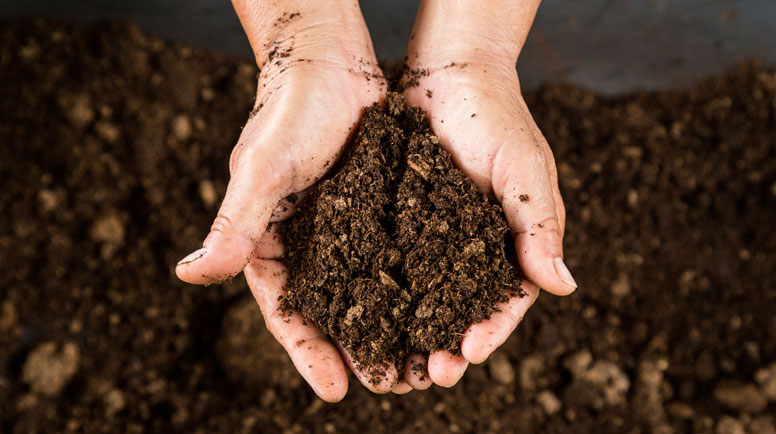
Healthy soil should crumble easily when squeezed, not form hard clumps or fall apart completely.
Balance Soil pH for Optimal Growth
Soil pH affects how well plants absorb nutrients. Most garden plants prefer slightly acidic to neutral soil.
General pH preferences:
-
Vegetables: 6.0–7.0
-
Flowers: 6.0–6.8
-
Blueberries and acid-loving plants: 4.5–5.5
Use lime to raise pH and sulfur to lower it, applying gradually and testing between adjustments.
Feed the Soil, Not Just the Plants
Healthy soil feeds plants naturally. Instead of relying solely on synthetic fertilizers, focus on building long-term fertility.
Soil-friendly nutrient sources include:
-
Compost tea
-
Worm castings
-
Fish emulsion
-
Bone meal and rock phosphate
These inputs nourish beneficial microbes that convert nutrients into forms plants can absorb.
Use Mulch to Protect and Enrich Soil
Mulching helps regulate soil temperature, retain moisture, and suppress weeds while slowly improving soil quality.
Effective mulch materials:
-
Straw or hay
-
Shredded bark
-
Wood chips
-
Dried leaves
Apply mulch in a 2–4 inch layer, keeping it slightly away from plant stems to prevent rot.
Practice Crop Rotation and Cover Cropping
Growing the same plants in the same spot year after year can deplete nutrients and encourage pests.
Smart rotation strategies:
-
Rotate plant families each season
-
Use cover crops like clover or rye during off-seasons
-
Incorporate cover crops into soil before planting
Cover crops protect soil from erosion and add organic matter when turned under.
Avoid Soil Compaction
Compacted soil restricts root growth and reduces oxygen flow.
To prevent compaction:
-
Create designated walking paths in garden beds
-
Use raised beds where possible
-
Avoid heavy equipment on garden soil
Looser soil encourages deeper roots and healthier plants.
FAQs
How long does it take to improve garden soil?
Noticeable improvement can occur within one growing season, but building truly healthy soil is a long-term process that continues year after year.
Can I improve soil without digging?
Yes, methods like top-dressing with compost and using mulch allow soil organisms to naturally incorporate nutrients without disturbing structure.
Is store-bought compost as good as homemade?
High-quality store-bought compost can be effective, but homemade compost often contains more diverse microorganisms.
How often should I add organic matter?
Adding organic matter once or twice a year is ideal, typically in spring and fall.
Can poor soil be completely fixed?
Most soils can be significantly improved over time with consistent organic inputs and good management practices.
Does soil improvement help with pest problems?
Yes, healthy soil supports stronger plants that are naturally more resistant to pests and diseases.
Is it possible to over-improve soil?
Excessive amendments, especially fertilizers, can cause nutrient imbalances. Testing soil periodically helps avoid this issue.