A well-planned garden can transform any outdoor space into a sanctuary for relaxation, creativity, and sustainable living. Whether you are cultivating flowers, vegetables, or a mix of both, understanding the fundamentals of gardening ensures success. In this guide, we explore every element of garden creation, from planning and planting to care and long-term upkeep.
Why a Garden Matters
Gardens are more than aesthetic features; they bring harmony to homes, improve air quality, and provide opportunities for outdoor activity. In urban environments, a garden can reduce stress and offer a pocket of tranquillity. In rural settings, it becomes an extension of lifestyle and livelihood. For families, a garden fosters connection, teaching children the cycles of nature and responsibility.
Planning Your Garden
Planning is the backbone of any successful garden. Rushing into planting without a clear structure often leads to wasted time and effort.
Choosing the Right Location
-
Select a site with sufficient sunlight (at least six hours for most plants).
-
Ensure drainage is adequate to avoid waterlogging.
-
Consider proximity to the house for easy access and watering.
Designing with Purpose
Think about the function of your garden. Do you want a flower garden for beauty, a vegetable patch for food, or a mixed-use garden that balances both? Mapping out paths, borders, and focal points before digging ensures your space feels organised and intentional.
Essential Tools and Equipment
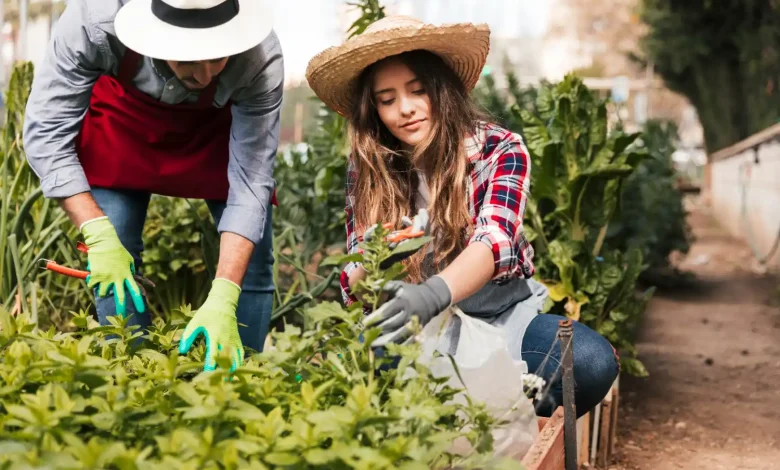
Every gardener, beginner or experienced, needs the right tools to manage tasks efficiently:
-
Hand trowel for planting and small digging tasks
-
Secateurs for pruning and shaping plants
-
Spade and fork for soil preparation
-
Watering can or hosepipe with adjustable nozzle
-
Gloves to protect hands from thorns and soil irritants
Investing in quality tools makes tasks easier and prolongs the life of your equipment.
Preparing the Soil
Soil is the lifeline of your garden. Without fertile, well-structured soil, plants cannot thrive.
Testing the Soil
A simple pH test reveals whether your soil is acidic, neutral, or alkaline. Most garden plants prefer a slightly acidic to neutral soil (pH 6.0–7.0).
Improving Soil Quality
-
Add compost or well-rotted manure to boost organic matter.
-
Use mulch to regulate moisture and suppress weeds.
-
For heavy clay, add sand or grit to improve drainage.
Selecting Plants for Your Garden
The choice of plants depends on climate, soil type, and the style of garden you want.
Flowers for Colour and Beauty
Roses, lavender, and tulips bring vibrant displays, while evergreens like boxwood provide structure all year round.
Edible Plants for a Kitchen Garden
Herbs such as rosemary, mint, and basil are easy to grow. Vegetables like tomatoes, courgettes, and lettuce can thrive in small spaces with proper care.
Seasonal Considerations
Plan for spring bulbs, summer annuals, autumn perennials, and winter shrubs to maintain interest throughout the year.
Watering and Irrigation
Proper watering ensures strong roots and healthy plants.
-
Deep watering encourages roots to grow downward, improving drought resistance.
-
Avoid watering in the heat of the day; early morning or evening is best.
-
Consider a drip irrigation system for efficient water use.
Pest and Disease Management
Every garden faces pests, but prevention is often better than cure.
-
Encourage beneficial insects like ladybirds and bees.
-
Rotate crops in vegetable gardens to reduce disease risk.
-
Use natural remedies such as neem oil or garlic sprays before resorting to chemicals.
Seasonal Garden Care
Spring
-
Prepare soil and plant seedlings.
-
Feed plants with slow-release fertilisers.
Summer
-
Focus on watering and pest control.
-
Deadhead flowers to encourage new blooms.
Autumn
-
Harvest crops and plant bulbs for spring.
-
Add compost to beds to replenish nutrients.
Winter
-
Protect delicate plants with fleece.
-
Plan next year’s layout and order seeds.
Creating a Sustainable Garden
Sustainability is central to modern gardening. Aim for:
-
Composting kitchen waste to reduce landfill.
-
Planting native species to support local wildlife.
-
Installing a rainwater harvesting system for eco-friendly watering.
Enhancing the Garden Experience
Beyond plants, the design of your garden influences how you enjoy it.
-
Add seating areas for relaxation.
-
Install pathways for structure and easy access.
-
Incorporate lighting to extend use into the evening.
Common Mistakes to Avoid
-
Overwatering plants leading to root rot
-
Planting species unsuitable for local climate
-
Neglecting soil preparation before planting
-
Ignoring regular maintenance, resulting in overgrowth
Long-Term Garden Success
Consistency is the secret to a flourishing garden. Dedicate a few minutes each day to observation and care. Over time, your garden becomes a living, evolving space that reflects your commitment and creativity.
FAQs about Gardening
How often should I water my garden plants?
The frequency depends on weather and soil type. Generally, water deeply two to three times a week in dry periods rather than light daily watering.
What is the best way to start a garden as a beginner?
Start small with easy-to-grow plants such as herbs or lettuce. Focus on building good soil and learning basic care routines before expanding.
How do I keep weeds under control naturally?
Mulching with bark, straw, or compost prevents sunlight from reaching weed seeds. Regular hand weeding is also effective.
Can I grow vegetables in containers?
Yes, many vegetables such as tomatoes, peppers, and courgettes do well in pots. Ensure containers have drainage holes and use nutrient-rich compost.
How do I make my garden more wildlife-friendly?
Plant native flowers, install a bird feeder, create a small pond, and avoid pesticides. These steps encourage bees, butterflies, and birds.
What is the easiest plant to grow in the UK climate?
Hardy plants like lavender, hydrangeas, and rhubarb are resilient and require minimal care, making them excellent choices for beginners.