Gardens are more than just outdoor spaces. They are places of peace, creativity, and connection to nature. A well-designed garden can transform a home, increase property value, and improve wellbeing. Whether you are a seasoned horticulturist or a beginner, understanding how to build and maintain a thriving garden is essential. This guide will cover every aspect of gardening in detail, from planning layouts to planting techniques and long-term care.
Why Gardening Matters
Gardening provides countless benefits beyond aesthetics. It helps reduce stress, encourages outdoor activity, and contributes to sustainability. For many households, a garden is also a space to grow fresh vegetables, fruits, and herbs, promoting healthier lifestyles. By incorporating thoughtful design and care, a garden can become the most cherished part of your property.
Planning Your Garden
Before picking up a spade, planning is crucial. A successful garden begins with an understanding of space, soil, climate, and intended use.
Assessing Your Space
-
Measure the available area and note features like slopes, shaded corners, and open sunny spots.
-
Identify natural elements such as existing trees, water sources, and pathways.
-
Think about privacy requirements, fencing, and boundaries.
Defining Purpose
Ask yourself how you want to use your garden:
-
A relaxing retreat with flowers and a seating area.
-
A productive vegetable patch.
-
A children’s play space.
-
A blend of ornamental and functional zones.
Designing Layouts
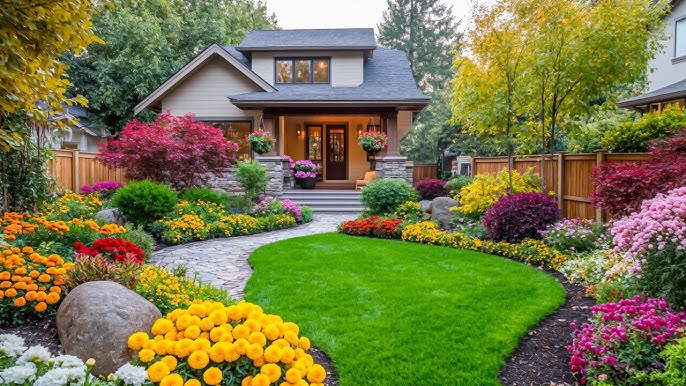
Creating a clear layout prevents overcrowding and ensures visual flow. Many homeowners use zoning to separate ornamental areas, lawns, and vegetable beds. Curved pathways often feel more natural than straight ones, while raised beds help define spaces neatly.
Soil Preparation and Improvement
Soil is the foundation of a healthy garden. Poor soil can be revitalised with organic matter, proper aeration, and consistent maintenance.
Soil Testing
Before planting, conduct a soil test to measure:
-
pH levels (ideal range: 6.0–7.0 for most plants).
-
Nutrient content such as nitrogen, phosphorus, and potassium.
-
Drainage and texture (clay, sandy, or loamy).
Enrichment Techniques
-
Add compost or well-rotted manure for fertility.
-
Use mulch to conserve moisture and reduce weeds.
-
Apply lime or sulphur to adjust pH as needed.
-
Aerate compacted soil with a fork or aeration tool.
Choosing the Right Plants
A flourishing garden depends on selecting suitable plants. Consider climate, soil type, and the time you can devote to maintenance.
Ornamental Plants
For visual appeal, choose a mixture of perennials, annuals, shrubs, and trees. Popular options include roses, lavender, hydrangeas, and ornamental grasses.
Edible Plants
Vegetable gardens require more sunlight and nutrient-rich soil. Tomatoes, lettuce, beans, and carrots are reliable options for beginners. Herbs such as basil, rosemary, and mint add flavour and fragrance.
Native and Wildlife-Friendly Plants
Native plants are adapted to local conditions and often require less maintenance. They also attract pollinators like bees, butterflies, and birds, enhancing biodiversity.
Garden Structures and Features
Adding structural elements improves both function and aesthetics.
Seating and Pathways
Benches, patios, and pergolas create spaces to relax. Pathways can be gravel, stone, or wood, leading the eye through the garden.
Water Features
Ponds, fountains, or birdbaths bring life and movement. They also provide habitats for beneficial insects and small wildlife.
Lighting
Solar-powered lights highlight focal points and extend usability into the evening.
Seasonal Care and Maintenance
Every season requires different tasks to keep the garden vibrant.
Spring
-
Prepare beds and sow seeds.
-
Apply compost and fertiliser.
-
Prune early-flowering shrubs.
Summer
-
Water regularly during dry spells.
-
Deadhead flowers to prolong blooming.
-
Control pests naturally through companion planting.
Autumn
-
Plant bulbs for spring.
-
Collect fallen leaves to make leaf mould.
-
Protect tender plants from early frosts.
Winter
-
Prune dormant fruit trees.
-
Mulch around perennials to insulate roots.
-
Clean and store tools properly.
Sustainable Gardening Practices
Modern gardens are not only for beauty but also for environmental stewardship.
-
Rainwater Harvesting: Use water butts to collect rainwater for irrigation.
-
Composting: Turn kitchen scraps and garden waste into nutrient-rich compost.
-
Wildlife Habitats: Add insect hotels, nesting boxes, and log piles.
-
Chemical-Free Care: Opt for organic fertilisers and natural pest control methods.
Common Garden Challenges
Every gardener encounters obstacles, but solutions are available.
-
Pests and Diseases: Rotate crops, encourage natural predators, and inspect plants regularly.
-
Weeds: Mulching and regular hoeing reduce invasive growth.
-
Poor Drainage: Create raised beds or install French drains to improve water flow.
-
Lack of Time: Choose low-maintenance plants such as evergreens and ground covers.
Inspiring Garden Styles
Different styles bring unique character and mood.
-
Cottage Garden: Informal with colourful perennials and climbing roses.
-
Modern Garden: Minimalist with clean lines, structured hedges, and statement plants.
-
Wildlife Garden: Designed to encourage birds, bees, and butterflies.
-
Zen Garden: Focuses on simplicity, stone arrangements, and water elements.
FAQs About Gardening
What is the easiest plant for a beginner gardener?
Herbs like mint and basil are easy to grow in pots or beds, requiring minimal care while offering instant rewards.
How often should I water my garden?
Watering depends on soil type and weather. As a rule, gardens need about one inch of water weekly, but sandy soils may require more frequent watering.
Can I start a garden in a small space?
Yes, container gardening and vertical planters make it possible to grow flowers, herbs, and vegetables even on balconies or patios.
How do I improve clay-heavy soil?
Incorporate organic matter such as compost and leaf mould, and consider creating raised beds for better drainage.
What plants attract pollinators best?
Lavender, echinacea, foxglove, and native wildflowers are excellent choices for supporting bees and butterflies.
When is the best time to plant trees?
The ideal time is autumn or early spring, when the ground is workable but not frozen, allowing roots to establish before extreme temperatures.