Sustainability is no longer a design trend—it’s a necessity. As buildings account for a significant share of global energy use and emissions, roofing systems have become a critical focus area for architects, developers, and property owners. Sustainable roofing solutions not only reduce environmental impact but also improve energy efficiency, durability, and long-term cost savings.
Modern buildings demand roofing systems that align with performance, aesthetics, and environmental responsibility. Fortunately, innovation in materials and design has made sustainable roofing more accessible than ever.
Why Sustainable Roofing Matters
A roof does far more than protect a building from the elements. It plays a direct role in insulation, energy consumption, water management, and indoor comfort.
Key benefits of sustainable roofing include:
-
Lower energy bills through improved thermal performance
-
Reduced carbon footprint by minimizing heat absorption and emissions
-
Extended roof lifespan with durable, eco-conscious materials
-
Improved indoor comfort across all seasons
As urban areas grow denser, roofing choices can significantly influence both microclimates and overall building performance.
Popular Sustainable Roofing Solutions
Green Roof Systems
Green roofs, also known as living roofs, involve vegetation planted over a waterproof membrane. They are particularly popular in urban environments where green space is limited.
Advantages include:
-
Natural insulation that reduces heating and cooling needs
-
Stormwater absorption that limits runoff and flooding
-
Improved air quality and urban biodiversity
-
Enhanced aesthetic and property value
Green roofs work best on flat or low-slope structures and require proper structural support.
Solar Roofing Solutions
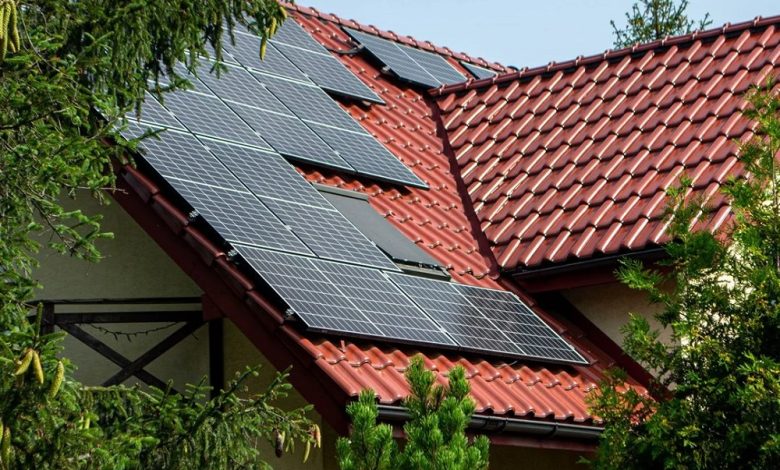
Solar-integrated roofs generate renewable energy directly from the building envelope. Options range from traditional photovoltaic panels to solar shingles that blend seamlessly with roof design.
Why they’re effective:
-
On-site clean energy production
-
Reduced reliance on grid electricity
-
Long-term energy cost savings
-
Eligibility for incentives in many regions
Solar roofing is especially suitable for commercial buildings and modern residential developments.
Cool Roof Technology
Cool roofs are designed with highly reflective materials that minimize heat absorption. By reflecting more sunlight and emitting absorbed heat, these roofs help regulate indoor temperatures.
Key benefits:
-
Reduced cooling demand during hot months
-
Lower urban heat island effect
-
Improved occupant comfort
-
Compatible with many existing roof types
Cool roofs are a practical solution in warm and temperate climates.
Recycled and Recyclable Roofing Materials
Sustainable roofing increasingly relies on materials made from recycled content, such as metal, rubber, and composite shingles.
Common eco-friendly materials include:
-
Recycled metal roofing
-
Rubber shingles made from reclaimed tires
-
Composite tiles using post-consumer waste
These materials are durable, lightweight, and often fully recyclable at the end of their lifecycle.
Energy Efficiency and Long-Term Performance
A sustainable roof is not just about materials—it’s about performance over time. Proper insulation, ventilation, and installation are essential to maximize efficiency.
Well-designed sustainable roofs can:
-
Reduce HVAC system strain
-
Maintain consistent indoor temperatures
-
Lower maintenance and replacement costs
-
Improve overall building resilience
When combined with energy-efficient walls and windows, roofing becomes a cornerstone of high-performance building design.
Choosing the Right Sustainable Roofing System
Selecting the best roofing solution depends on several factors:
-
Climate conditions
-
Building structure and load capacity
-
Budget and lifecycle costs
-
Local regulations and incentives
A professional assessment ensures the chosen system meets both environmental goals and practical requirements.
The Future of Sustainable Roofing
Advancements in material science and smart technology continue to shape the future of roofing. Innovations such as self-healing membranes, integrated energy storage, and smart reflective coatings are already emerging.
As sustainability standards tighten worldwide, roofing systems will play an even larger role in achieving energy-neutral and low-impact buildings.
Frequently Asked Questions (FAQs)
1. How long do sustainable roofing systems typically last?
Most sustainable roofs, especially metal and green roofing systems, can last 40–70 years with proper maintenance, often outperforming traditional roofs.
2. Are sustainable roofs more expensive upfront?
Initial costs may be higher, but long-term energy savings and reduced maintenance often make them more cost-effective over time.
3. Can sustainable roofing be installed on existing buildings?
Yes, many systems such as cool roofs, solar panels, and recycled shingles can be retrofitted onto existing structures.
4. Do green roofs require extensive maintenance?
Maintenance is moderate and depends on plant selection. Once established, many green roofs require only periodic inspections and irrigation checks.
5. Are sustainable roofs suitable for all climates?
Different systems suit different climates. For example, cool roofs work best in hot regions, while green roofs offer benefits across diverse environments.
6. How do sustainable roofs impact property value?
Energy-efficient and eco-friendly buildings often command higher resale and rental value, especially in sustainability-focused markets.
7. What certifications support sustainable roofing choices?
Certifications related to green building standards often recognize sustainable roofing for energy efficiency, material sustainability, and environmental impact.