
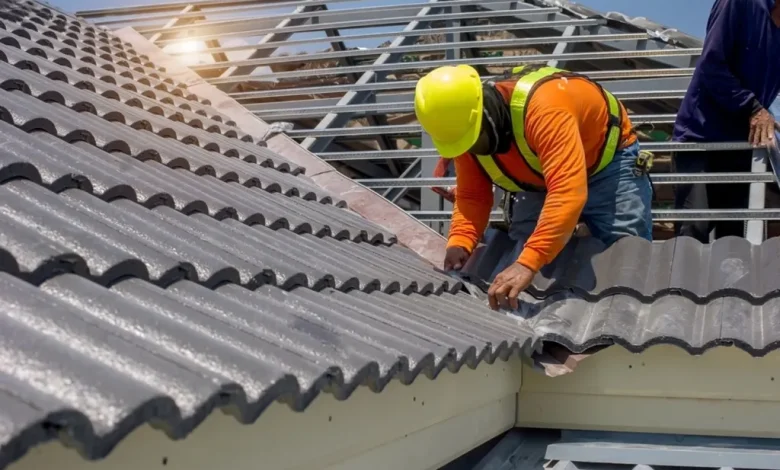
Roofing is one of the most important aspects of any building, protecting the structure and its occupants from weather conditions, while also influencing energy efficiency and overall property value. Choosing the right roofing system requires careful thought about materials, durability, cost and design. This detailed guide explores everything you need to know about roofing, from the basics to advanced considerations.
Understanding the Importance of Roofing
A roof is more than a shelter; it is a structural and aesthetic element that adds security and value. High-quality roofing ensures:
-
Weather resistance against rain, wind, snow and heat
-
Energy efficiency by improving insulation and reducing heating or cooling costs
-
Longevity when maintained properly
-
Property value by enhancing curb appeal and structural integrity
Homeowners and property developers often underestimate the importance of selecting the correct roof type. A poor choice can result in recurring leaks, structural damage and high repair costs.
Different Types of Roofing Materials
Each material comes with unique benefits and challenges. The right choice depends on climate, budget and architectural design.
Asphalt Shingles
-
Affordable and easy to install
-
Wide variety of colours and styles
-
Lifespan typically 15–30 years
-
Suitable for pitched roofs but less effective in extreme heat
Slate Roofing
-
Known for elegance and long lifespan (up to 100 years)
-
Fire resistant and durable
-
Heavy material requiring reinforced roof structure
-
Higher installation costs
Clay and Concrete Tiles
-
Excellent for hot climates due to heat resistance
-
Distinctive, timeless appearance
-
Lifespan up to 50 years
-
Heavier and may require strong support
Metal Roofing
-
Lightweight, durable and recyclable
-
Reflects sunlight, reducing cooling costs
-
Can last 40–70 years
-
Initial installation cost higher than shingles
Green Roofs
-
Covered with vegetation for eco-friendly benefits
-
Improves insulation and air quality
-
Requires ongoing maintenance and proper waterproofing
-
Ideal for urban areas aiming for sustainability
Flat Roof Systems
-
Common for commercial buildings
-
Materials include EPDM rubber, TPO and bitumen
-
Cost-effective but requires precise drainage design
-
Typically shorter lifespan compared to pitched roofs
Key Roofing Techniques
Beyond materials, the method of installation plays a critical role in performance and durability.
Pitched Roofing
-
Designed with a slope to allow water runoff
-
Common in residential homes
-
Provides attic space for insulation and ventilation
-
Requires careful flashing installation around chimneys and valleys
Flat Roofing
-
Minimal slope design
-
Common in modern architecture and commercial buildings
-
Cost-efficient but vulnerable to ponding water if poorly maintained
Warm Roof Construction
-
Insulation placed above the deck
-
Keeps the structure warmer and reduces condensation
-
Often recommended for energy efficiency upgrades
Cold Roof Construction
-
Insulation placed between rafters
-
Lower installation cost but more prone to condensation issues
-
Less effective in retaining heat compared to warm roofs
Roofing Maintenance Essentials
Even the best roofs need care to achieve their full lifespan. Regular maintenance includes:
-
Cleaning gutters to prevent blockages and water damage
-
Inspecting flashing and sealants to avoid leaks
-
Replacing broken or missing shingles or tiles immediately
-
Checking for moss or algae growth especially on shaded roofs
-
Monitoring attic ventilation to prevent condensation and structural rot
Common Roofing Problems and Their Solutions
-
Leaks: Often caused by damaged flashing or missing shingles; repair promptly to avoid structural damage
-
Ponding water: Common in flat roofs; improve drainage systems
-
Wind damage: Secure shingles and tiles properly during installation
-
Poor insulation: Upgrade with suitable materials to reduce energy loss
-
Sagging roof: Could indicate structural issues requiring professional evaluation
Choosing the Right Roofing for Your Home
When selecting a roofing system, consider:
-
Climate: Some materials withstand snow, heat or rain better than others
-
Budget: Balance between upfront cost and long-term durability
-
Aesthetic: Match the roofing material to the architectural style of your property
-
Maintenance level: Some materials like slate require minimal upkeep, while others demand regular inspections
The Role of Professional Installation
While DIY repairs may seem appealing, roofing is a complex job that often requires professional skills. Trained installers ensure:
-
Correct underlayment application
-
Proper flashing around vulnerable areas
-
Compliance with building regulations
-
Safety during installation
A poorly installed roof can drastically reduce lifespan, leading to repeated costs in the long run.
Energy-Efficient Roofing Options
Modern roofing now incorporates energy-saving technologies:
-
Cool roofs: Reflect more sunlight, keeping interiors cooler
-
Insulated metal panels: Reduce heat transfer and improve efficiency
-
Green roofs: Offer natural insulation while supporting biodiversity
These options not only cut energy bills but also reduce the environmental footprint of buildings.
Roofing and Property Value
Investing in a quality roof adds considerable resale value. Buyers often see a new or well-maintained roof as a sign of a secure property. In competitive markets, roofing can make the difference between a quick sale and prolonged listings.
Safety Considerations in Roofing Work
Roofing involves significant risks, particularly with heights and heavy materials. Essential safety measures include:
-
Harnesses and guardrails for fall prevention
-
Weather monitoring to avoid slippery conditions
-
Proper footwear with grip soles
-
Trained professionals for complex tasks
FAQs About Roofing
How often should a roof be inspected?
A roof should be inspected at least twice a year, typically in spring and autumn, and after severe storms to identify potential damage early.
What is the best roofing material for the UK climate?
Slate and clay tiles are highly suited to the UK’s wet climate due to their durability and resistance to moisture, though modern metal roofing is also gaining popularity.
Can a roof be repaired instead of replaced?
Yes, minor issues such as missing tiles or small leaks can be repaired. However, if the roof is approaching the end of its lifespan or has widespread damage, replacement is more cost-effective.
How long does a new roof last?
The lifespan depends on the material: asphalt shingles 15–30 years, metal roofing up to 70 years, and slate or clay tiles up to 100 years with proper maintenance.
Are green roofs practical for residential homes?
Yes, they can be installed on residential buildings, offering benefits like insulation, aesthetic appeal and improved air quality, provided the structure is designed to support the additional weight.
What are the signs that a roof needs replacement?
Signs include frequent leaks, missing or broken shingles, sagging, visible light in the attic and a roof age that exceeds the expected lifespan of the chosen material.

