Understanding the Role of Furniture in Modern Homes
Furniture is more than just a collection of practical items to sit, eat, or sleep on. It defines the personality of a home, sets the tone for interior design, and contributes to comfort and functionality. Whether it is a handcrafted wooden dining table or a minimalist sofa set, the right pieces have the power to transform spaces and influence daily life. Choosing furniture requires balancing aesthetics, quality, and practicality, ensuring that every piece serves both purpose and style.
The Evolution of Furniture Design
From Ancient Craftsmanship to Contemporary Trends
Historically, furniture reflected culture, class, and available resources. Ancient Egyptian households used ornate wooden chairs, while medieval European castles were furnished with heavy oak benches and long dining tables. With industrialisation, mass production made furniture more accessible, leading to the rise of distinct styles such as Victorian, Art Deco, and Modernist design. Today, furniture blends traditional craftsmanship with innovative technology, offering endless options for every lifestyle.
Key Shifts in Modern Furniture
-
Move towards multi-functional designs to maximise smaller living spaces
-
Increasing popularity of sustainable and recycled materials
-
A growing preference for minimalist, clutter-free styles
-
Demand for customisable solutions to fit unique home layouts
Types of Furniture Every Home Needs
Living Room Furniture
The living room is often the heart of a home, where families gather and guests are entertained. Key pieces include:
-
Sofas and Armchairs: Ranging from sectionals to recliners, offering comfort and seating options
-
Coffee Tables: Practical for placing essentials, while also adding style
-
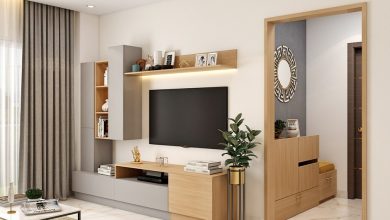
TV Units and Media Consoles: Keeping entertainment systems organised
Bedroom Furniture
A bedroom should encourage relaxation and rest. Essential furniture includes:
-
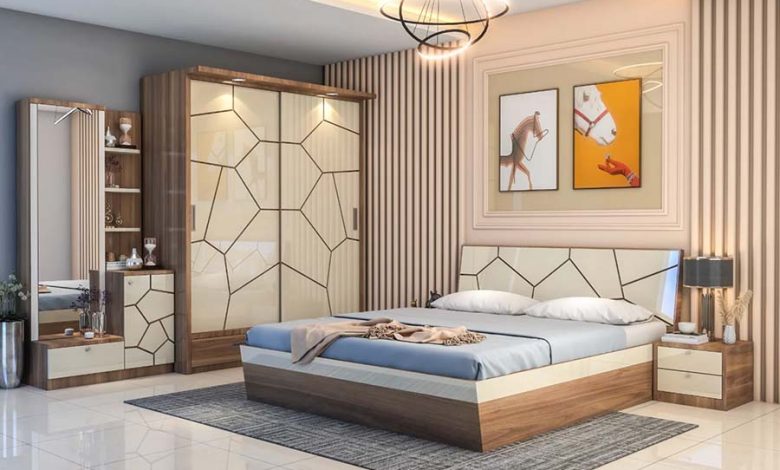
Beds: From single frames to luxurious king-sized designs, often with storage underneath
-
Wardrobes: Sliding or hinged, depending on room size and preference
-
Bedside Tables and Dressers: Providing both convenience and storage
Dining Room Furniture
This space often represents family bonding and social gatherings. Core pieces are:
-
Dining Tables: Round, rectangular, or extendable depending on space
-
Chairs: Upholstered for comfort or wooden for a rustic touch
-
Sideboards: Useful for storing crockery and displaying decorative items
Home Office Furniture
With remote working on the rise, dedicated furniture is essential:
-
Ergonomic Desks and Chairs to maintain posture and productivity
-
Storage Units for organising files and work accessories
-
Shelving for both function and aesthetics
Furniture Materials and Their Advantages
Wood
Timeless and versatile, wood remains a classic material:
-
Solid Wood: Durable and long-lasting, adds natural warmth
-
Engineered Wood: Affordable, resistant to warping, and available in various finishes
Metal
Known for strength and durability:
-
Ideal for bed frames, dining chairs, and industrial-style designs
-
Resistant to wear and requires minimal maintenance
Glass
Often used for dining tables and coffee tables:
-
Creates an illusion of space
-
Modern, sleek, and easy to clean
Upholstery
Adds comfort and character:
-
Leather: Luxurious and long-lasting
-
Fabric: Available in endless colours and textures
Choosing Furniture for Different Home Styles
Traditional Homes
Characterised by ornate details, carved wood, and timeless elegance. Heavy furniture in dark wood tones is common, paired with patterned upholstery.
Modern and Minimalist Homes
Defined by clean lines, neutral colours, and functional designs. Furniture in these homes often features metal, glass, or light-coloured woods.
Rustic and Country Homes
Warmth is created through distressed wood, earthy tones, and comfortable oversized furniture.
Urban and Compact Living
Prioritises multi-purpose furniture such as sofa beds, nesting tables, and modular storage units to save space while keeping the home stylish.
Tips for Selecting the Right Furniture
-
Measure Your Space: Always ensure the dimensions suit the room to avoid overcrowding.
-
Consider Lifestyle Needs: Families with children may prefer stain-resistant fabrics and durable materials.
-
Balance Aesthetics with Comfort: A stylish sofa should also provide the comfort needed for daily use.
-
Prioritise Storage: Choose beds with drawers or ottomans with hidden compartments for added functionality.
-
Test Before Buying: Sit on chairs, open drawers, and inspect finishes before making a purchase.
Furniture Maintenance and Longevity
Proper care ensures furniture lasts for decades:
-
Dust wood regularly and polish occasionally
-
Use coasters and mats to protect surfaces
-
Tighten screws and joints in chairs and tables periodically
-
Vacuum upholstered furniture and clean spills immediately
-
Keep pieces away from direct sunlight to prevent fading
Future of Furniture Design
As technology advances, so does furniture innovation:
-
Smart Furniture with built-in charging ports and hidden storage
-
Sustainable Design with bamboo, reclaimed wood, and recycled materials
-
Personalised Solutions using modular systems and 3D printing for custom builds
-
Wellness-Oriented Furniture with ergonomic shapes and adjustable features
FAQs About Furniture
How can I choose furniture that lasts long?
Opt for solid wood or high-quality metal frames, as they withstand daily use. Check joinery and finishing, as these indicate durability.
What is the best furniture for small apartments?
Multi-functional pieces such as sofa beds, extendable dining tables, and wall-mounted shelves are ideal for compact spaces.
How do I match furniture to my home décor?
Focus on a cohesive theme. For example, modern interiors suit glass and metal, while traditional settings benefit from dark wood and upholstered designs.
Is investing in custom furniture worthwhile?
Yes, custom furniture provides exact dimensions, personalised finishes, and unique designs that standard options may not offer.
How often should I replace furniture?
It depends on the piece. Sofas may need replacing after 7–10 years, while solid wood tables can last for decades if maintained properly.
Which furniture materials are eco-friendly?
Bamboo, reclaimed wood, rattan, and recycled metals are sustainable choices that support eco-conscious living.