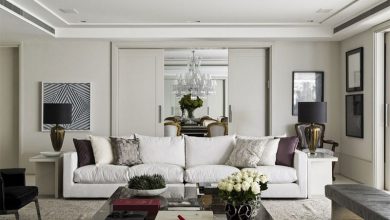
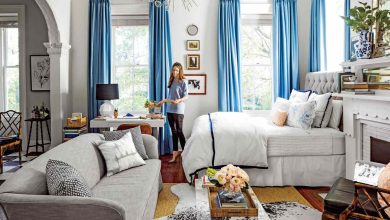
Bringing natural elements into home decor is more than a trend—it’s a timeless design approach that adds warmth, balance, and authenticity to any space. Nature-inspired interiors feel calming, grounded, and visually rich, making them ideal for modern living. From organic textures to earthy tones, natural decor elements connect indoor spaces with the outdoors in subtle yet powerful ways.
Why Natural Elements Matter in Interior Design
Natural materials have an inherent ability to soften interiors while adding depth and character. Unlike synthetic finishes, they age gracefully and create a lived-in elegance that feels personal rather than staged.
Key benefits include:
-
A calming and stress-reducing atmosphere
-
Improved visual balance and texture
-
Greater connection to sustainable and eco-conscious living
Wood: The Foundation of Natural Decor
Wood remains one of the most versatile and widely used natural materials in home decor. Its grain patterns, tones, and finishes make every piece unique.
Popular ways to use wood indoors:
-
Solid wood furniture like tables, shelves, and benches
-
Exposed wooden beams or ceiling panels
-
Wooden accents such as trays, frames, and bowls
Light woods create an airy feel, while darker woods add depth and sophistication.
Indoor Plants: Living Design Elements
Plants instantly bring life into a room. Beyond aesthetics, they improve air quality and promote a sense of well-being.
Effective plant decor ideas:
-
Large floor plants for empty corners
-
Hanging plants for vertical interest
-
Small potted herbs or succulents for shelves and desks
Using a mix of leaf shapes and heights creates a more natural, organic look.
Stone and Clay: Earthy Strength and Texture
Stone and clay elements add visual weight and tactile contrast to interiors. They work particularly well in minimalist or rustic spaces.
Common applications include:
-
Stone countertops or accent walls
-
Clay or ceramic vases and planters
-
Marble, granite, or slate decor pieces
These materials ground the space and pair beautifully with softer textures like fabric and wood.
Natural Fabrics: Comfort Meets Style
Textiles made from natural fibers enhance comfort while reinforcing a cohesive, organic aesthetic.
Best natural fabrics for home decor:
-
Cotton for breathable curtains and bedding
-
Linen for relaxed, textured upholstery
-
Wool for rugs, throws, and cushions
Neutral tones and subtle weaves allow these fabrics to complement almost any design style.
Rattan, Jute, and Wicker Accents
Woven materials introduce texture without overwhelming the space. They are lightweight, versatile, and ideal for casual or bohemian interiors.
Use them through:
-
Rattan chairs or headboards
-
Jute rugs for natural flooring texture
-
Wicker baskets for stylish storage
These elements add warmth while maintaining a clean, uncluttered feel.
Light and Natural Color Palettes
Natural decor isn’t only about materials—it’s also about how light and color interact with them.
Effective natural color choices include:
-
Warm whites and soft creams
-
Earthy browns, beiges, and sands
-
Muted greens and clay-inspired tones
Maximizing natural light enhances these colors, making rooms feel larger and more inviting.
Sustainable Touches That Elevate Design
Choosing reclaimed or responsibly sourced materials adds both character and purpose to your decor. Sustainability often brings unique textures and imperfections that elevate a space visually.
Examples include:
-
Reclaimed wood furniture
-
Handmade pottery
-
Vintage or repurposed decor pieces
These elements tell a story while reducing environmental impact.
Frequently Asked Questions
1. Can natural elements work in small spaces?
Yes, small spaces benefit greatly from natural elements. Light wood, compact plants, and neutral fabrics help rooms feel open rather than crowded.
2. How do I balance natural decor with modern design?
Combine clean lines and minimal furniture with natural textures like wood, stone, or linen to maintain a modern yet warm aesthetic.
3. Are natural materials harder to maintain?
Some require basic care, such as sealing wood or stone, but most natural materials age well and become more attractive over time.
4. What’s the easiest way to start using natural decor?
Begin with simple additions like plants, wooden accessories, or cotton textiles before moving to larger furniture pieces.
5. Do natural elements suit all interior styles?
Yes, they adapt well to styles ranging from minimalist and Scandinavian to rustic and bohemian.
6. How can I make natural decor feel cohesive?
Stick to a consistent color palette and repeat materials throughout the space to create visual harmony.
7. Are natural elements suitable for rented homes?
Absolutely. Portable items like rugs, plants, cushions, and decor accessories allow renters to enjoy natural decor without permanent changes.