
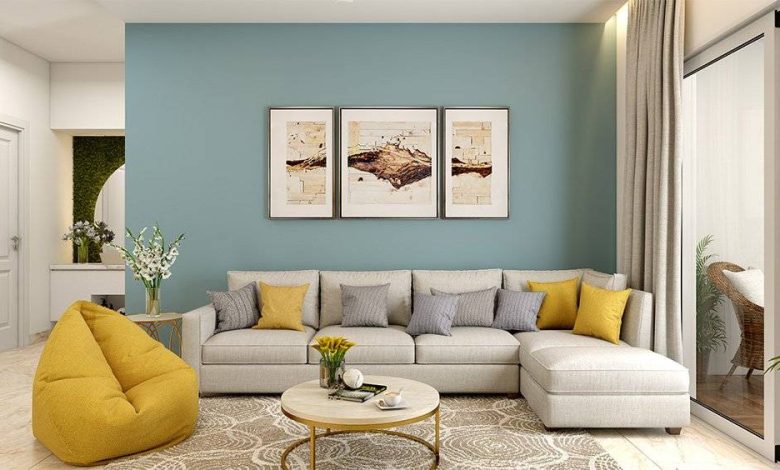
Modern interior design is about clarity, comfort, and intention. It blends clean lines with thoughtful textures, prioritizes functionality, and creates spaces that feel open without being cold. Whether you’re refreshing a single room or rethinking your entire home, these modern design ideas will help you achieve a timeless yet livable look.
Embrace Clean Lines and Simple Forms
At the heart of modern interiors is simplicity in structure. Furniture and architectural details are streamlined, avoiding excessive ornamentation.
Key principles to follow:
-
Choose straight-edged sofas, tables, and cabinetry
-
Opt for low-profile furniture to keep spaces visually light
-
Avoid cluttered layouts; let each piece serve a clear purpose
This approach makes rooms feel organized, calm, and visually balanced.
Use a Neutral Color Palette as a Foundation
Modern homes often rely on neutral tones to create a cohesive and airy atmosphere. Whites, beiges, grays, and soft taupes dominate, offering flexibility and longevity.
Ways to elevate neutral palettes:
-
Layer different shades of the same color for depth
-
Add contrast with black accents or dark wood finishes
-
Use subtle texture instead of bold colors for interest
Neutral backdrops also make it easier to refresh your space over time without major changes.
Focus on Open and Functional Layouts
Modern interior design favors open-plan living, where spaces flow naturally into one another.
Benefits of open layouts include:
-
Better natural light distribution
-
Improved movement and usability
-
A stronger sense of spaciousness
To define zones without walls, use area rugs, lighting variations, or furniture placement instead of physical dividers.
Incorporate Natural Materials and Textures
While modern design is often associated with sleek finishes, it thrives when balanced with natural elements.
Popular material choices:
-
Wood for warmth and grounding
-
Stone or marble for subtle luxury
-
Leather and linen for tactile contrast
Mixing natural textures prevents modern interiors from feeling sterile and adds a welcoming, lived-in quality.
Let Lighting Be a Design Feature
Lighting is more than just functional in modern homes—it’s a statement.
Design-forward lighting ideas:
-
Recessed lighting for clean ceilings
-
Pendant lights with geometric or sculptural forms
-
Floor and table lamps with slim, minimal frames
Maximize natural light by keeping window treatments light or sheer and positioning mirrors to reflect daylight.
Keep Decor Intentional and Minimal
Modern interiors favor curated decor over excess decoration. Each accessory should add value—either visually or functionally.
Smart styling tips:
-
Choose a few statement art pieces instead of gallery walls
-
Stick to a limited color palette for accessories
-
Use negative space to let design elements breathe
Less decor doesn’t mean less personality—it means clearer expression.
Integrate Smart Storage Solutions
Hidden storage is a defining feature of modern homes, helping maintain clean lines and clutter-free surfaces.
Effective storage ideas:
-
Built-in shelving flush with walls
-
Handle-less cabinets and drawers
-
Multi-functional furniture with concealed storage
Good storage design supports the modern philosophy of order and efficiency.
Blend Indoor and Outdoor Living
Modern homes often blur the line between inside and outside, creating a seamless connection with nature.
Ways to achieve this:
-
Large glass doors or floor-to-ceiling windows
-
Consistent flooring materials indoors and outdoors
-
Minimalist patio furniture that mirrors interior style
This approach enhances both aesthetics and everyday living.
FAQs
What defines modern interior design compared to contemporary design?
Modern design is rooted in a specific design movement emphasizing clean lines and function, while contemporary design evolves with current trends.
Can modern interior design still feel warm and cozy?
Yes. Using natural materials, layered textures, and warm lighting can make modern spaces inviting and comfortable.
Is modern interior design suitable for small homes?
Absolutely. Its focus on simplicity, light colors, and smart storage makes small spaces feel larger and more efficient.
How can I add personality to a modern interior?
Introduce personality through artwork, statement furniture, or subtle color accents while keeping the overall layout clean.
Do modern interiors have to be minimalist?
Not necessarily. Modern design values simplicity, but you can still layer textures and materials without going fully minimalist.
What flooring works best for modern homes?
Hardwood, polished concrete, large-format tiles, and stone are popular choices due to their clean and timeless appearance.
How often should modern interiors be updated?
Modern interiors age well. Small updates like lighting, textiles, or decor accents every few years are usually enough to keep them fresh.


