
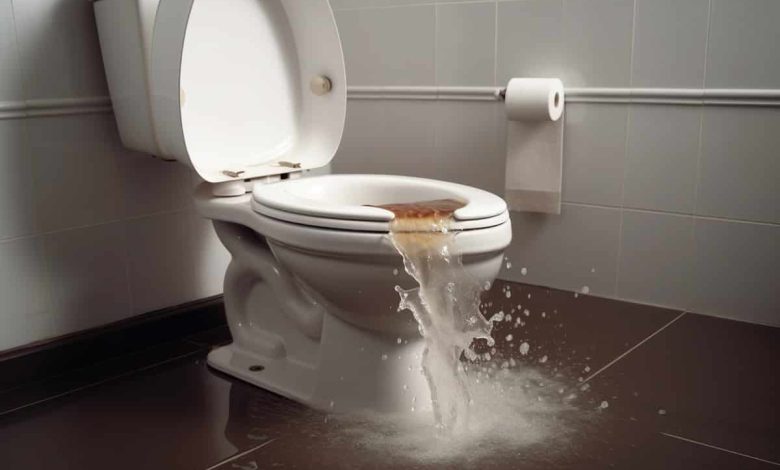
A toilet that backs up or overflows is more than just unpleasant – it’s a sanitation hazard and often a sign of a more serious drainage problem. Whether it happens suddenly or builds up over time, dealing with an overflowing toilet requires a prompt and measured response.
This guide explains the common causes of toilet backups, how to respond safely, when DIY methods are appropriate, and when to call for professional help. A calm and informed approach can prevent further damage to your property and reduce the cost of repairs.
What Causes a Toilet to Back Up or Overflow?
Overflowing toilets usually fall into two categories: local blockages near the toilet itself, or deeper drainage issues affecting the broader system.
Common causes include:
- Flushing unsuitable items – Wet wipes, sanitary products, cotton pads, and excessive toilet paper don’t break down easily and can cause blockages.
- Blocked soil stack or waste pipe – A clog in the vertical pipe that carries waste from your toilet to the sewer will stop waste from flowing properly.
- Full or damaged drain lines – If the external drain is blocked or partially collapsed, waste has nowhere to go and will back up into the toilet.
- Shared drainage issues – If your property shares drains with neighbours, a blockage in the shared pipe can affect your toilet even if you’re not the cause.
- Septic or holding tank problems – In rural areas, backups may indicate that a septic tank is full or failing.
What to Do Immediately
When water starts rising in the bowl, your first move should be to prevent overflow. Here’s how to contain the situation:
- Turn off the water supply to the toilet (usually a valve near the base).
- Avoid flushing again – this will only worsen the overflow.
- Use towels or a mop to block water from spreading to nearby floors.
- Ventilate the room – especially if waste water has spilled, as it may carry bacteria.
If the toilet is already overflowing and wastewater has spread, it’s best to treat the area as contaminated and avoid contact until it can be safely cleaned.
Can You Unblock It Yourself?
Some minor blockages can be resolved at home if you’re confident and the issue seems local.
Try:
- A plunger – A few firm plunges with a tight seal can dislodge minor clogs.
- Toilet auger (or plumber’s snake) – This tool allows you to reach further into the bend to break up tougher blockages.
- Boiling water and detergent – Useful for soft obstructions (not recommended if you suspect a serious drain issue).
Avoid:
- Chemical drain cleaners – These can damage pipes, and if they don’t work, they leave hazardous liquid sitting in the bowl.
- Pushing repeatedly – Repeated flushing can cause overflows and worsen pressure in the pipe system.
If you’ve tried basic methods and the water isn’t draining, it’s time to stop and bring in help.
When to Call a Professional
Persistent or severe toilet blockages should always be inspected by a qualified drainage engineer. Indicators that you need expert support include:
- Overflow happens repeatedly, not just once
- Gurgling sounds or slow draining in other fixtures
- Sewage odours coming from the toilet or nearby drains
- Water backing up when other appliances are used
- Overflow even when nothing was flushed
These signs suggest a blockage in the soil stack or main drain line – something only a professional can properly assess. A CCTV survey may be needed to identify the problem without digging.
Reliable drainage engineers can isolate the fault, carry out a clean, safe unblocking, and provide a long-term fix.
If the situation becomes urgent, emergency toilet unblocking services are available for rapid response, often the same day.
Preventing It from Happening Again
To reduce the risk of future backups, follow these practical steps:
- Only flush toilet paper – never wipes, sanitary products, or nappies
- Regularly clean and maintain your toilet
- Educate household members on proper flushing habits
- Install child-proof lids if young children are present (toys and objects often cause clogs)
- Have your drains inspected if you’ve had repeat blockages
Regular checks and good habits can go a long way in keeping your drainage system flowing smoothly.
Acting Quickly Makes All the Difference
A backed-up toilet is more than just a nuisance – it’s often the first sign of a larger problem with your drainage system. Early action can limit damage, prevent health risks, and avoid costly repairs.
If you’re dealing with an overflow that won’t resolve or a blockage that keeps coming back, don’t wait. Professional support is the safest and most effective way to restore proper flow and keep your home protected. For fast and thorough help, trust emergency toilet unblocking services to get things moving again.


