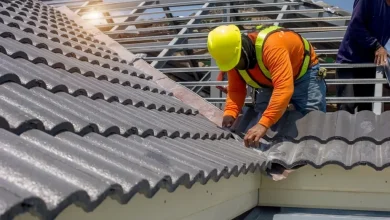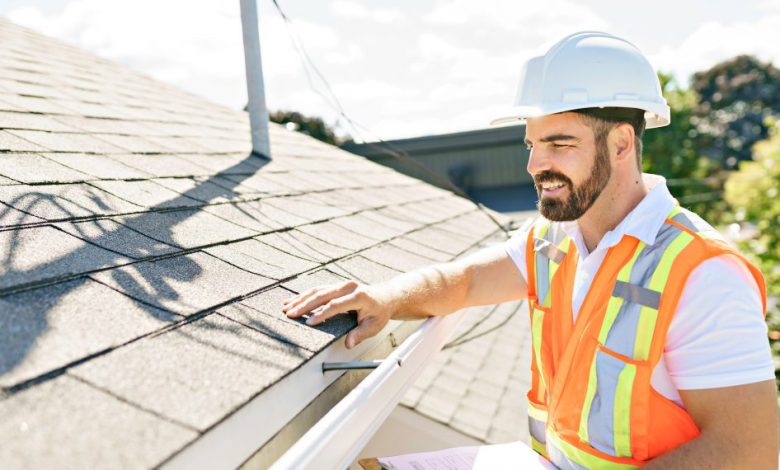
Roofing is one of the most critical aspects of any property, shaping not only its appearance but also its durability and value. Whether you are constructing a new house, renovating an older property, or simply repairing a damaged section, making the right decisions about your roof can significantly affect long-term performance and safety. This guide explores roofing in detail, covering materials, installation methods, maintenance practices, and practical considerations every homeowner should know.
Understanding the Importance of Roofing
A roof does more than provide shelter; it protects a building from weather conditions, improves insulation, enhances energy efficiency, and contributes to the overall aesthetic appeal of the property. Choosing the right roofing solution is crucial because it determines:
-
Weather resistance against rain, wind, and snow
-
Energy efficiency through insulation and ventilation
-
Durability measured by lifespan and maintenance needs
-
Property value as a roof influences both curb appeal and structural reliability
Common Roofing Materials
The choice of roofing material is perhaps the most significant decision in any roofing project. Each option comes with unique advantages and challenges.
Slate Roofing
Slate is a natural stone material, valued for its timeless beauty and exceptional longevity. It is fireproof, resistant to mould, and can last more than a century with proper care. However, it is heavy and often requires reinforced structural support, making it a premium choice.
Clay and Concrete Tiles
These tiles provide a traditional look and are known for their durability. Clay tiles retain their colour well and are especially suitable for warmer climates. Concrete tiles, while heavier, are versatile and often more affordable.
Asphalt Shingles
One of the most widely used roofing materials, asphalt shingles are cost-effective, easy to install, and available in a wide variety of styles. Their lifespan is typically between 15 and 30 years, depending on quality and maintenance.
Metal Roofing
Metal roofs, made from steel, aluminium, zinc, or copper, are valued for their strength and longevity. They are lightweight, recyclable, and can last 40 to 70 years. They are also excellent at shedding snow and rain, which makes them ideal for wet climates.
Wooden Shingles and Shakes
Wood provides a rustic and natural appearance, often made from cedar or redwood. While attractive, they require regular maintenance to protect against moisture and pests.
Synthetic and Composite Roofing
Made from rubber, plastic, or polymer blends, these materials are designed to mimic natural options like slate or wood but with lower costs and less maintenance. They are also lightweight and eco-friendly.
Factors to Consider When Choosing Roofing
Selecting the best roof depends on balancing budget, climate, aesthetics, and long-term goals. Consider:
-
Local climate: Heavy rains, snow, or extreme sun will influence the best choice.
-
Weight tolerance: Not all structures can support heavy materials like slate or concrete.
-
Maintenance commitment: Some roofs need more upkeep than others.
-
Budget: Long-lasting premium materials may save money in the long run, but initial costs are higher.
-
Design style: The roof must complement the architectural design of the property.
Roofing Installation Process
Proper installation is just as important as material choice. Even the highest-quality roof will fail if installed incorrectly.
Preparing the Structure
Before any materials are placed, the structure must be inspected for strength, alignment, and suitability. Reinforcements may be required, particularly for heavier materials.
Underlayment and Insulation
A protective underlayment acts as a moisture barrier. Paired with insulation, this layer improves energy efficiency and extends the life of the roof.
Ventilation
Roof ventilation prevents moisture build-up and regulates temperature. Without it, condensation can lead to rot, mould, and reduced material life.
Laying the Roofing Material
Each roofing type has a specific method of installation. For example, tiles must be laid in overlapping rows, while metal sheets require secure fastening to resist wind uplift.
Flashing and Waterproofing
Flashing around chimneys, skylights, and valleys ensures that water does not seep through vulnerable joints. Waterproof membranes add an additional layer of protection.
Roofing Maintenance and Care
Maintenance is vital for extending roof life and avoiding costly repairs. Key practices include:
-
Regular inspections: Twice a year and after severe weather.
-
Cleaning gutters: Prevents water build-up and leaks.
-
Removing debris: Leaves and branches can trap moisture.
-
Checking flashing and sealants: Ensure waterproof integrity.
-
Addressing small damages early: Prevents larger structural issues.
Signs Your Roof Needs Attention
Homeowners should watch for early indicators of roofing problems:
-
Missing, cracked, or curling shingles
-
Sagging sections or uneven rooflines
-
Water stains on ceilings or walls
-
Growth of moss, algae, or mould
-
Excessive granules in gutters from worn shingles
The Role of Professional Roofing Services
While some maintenance tasks can be done independently, roofing installation and major repairs should always be handled by professionals. They have the expertise, safety equipment, and knowledge to handle complex tasks effectively. Hiring qualified experts ensures compliance with building regulations and provides long-term reliability.
Sustainability in Roofing
Eco-friendly roofing is increasingly popular as homeowners seek sustainable solutions. Options include:
-
Solar roofing tiles that generate renewable energy
-
Green roofs with vegetation to improve insulation and air quality
-
Recycled materials such as rubber and metal
-
Cool roofs that reflect sunlight and reduce heat absorption
These options reduce environmental impact while also cutting long-term energy bills.
Cost Considerations
Roofing costs vary widely based on material, labour, and property size. Factors influencing price include:
-
Material type and quality
-
Complexity of design (slopes, angles, dormers)
-
Accessibility of the roof
-
Labour rates in the local area
-
Additional features such as skylights or chimneys
Investing in high-quality roofing may seem costly upfront but often saves money over time by reducing repairs and energy bills.
FAQs About Roofing
What is the average lifespan of a roof?
The lifespan depends on material and maintenance. Asphalt shingles typically last 20–30 years, metal roofs 40–70 years, and slate more than 100 years.
How often should I inspect my roof?
Twice a year is recommended, ideally in spring and autumn. Extra checks should be done after storms or heavy snowfall.
Can I install a new roof over the old one?
In some cases, yes, but it depends on the condition of the existing roof and local regulations. Removing the old roof is usually better for long-term durability.
What is the best roofing material for the UK climate?
Slate and tiles are common due to their weather resistance. Metal roofs are also increasingly popular for their durability and performance in wet conditions.
Do lighter roof colours reduce heat inside a home?
Yes, light-coloured or reflective materials can help keep a house cooler by reflecting sunlight, especially useful for energy efficiency.
How can I make my roof more environmentally friendly?
Options include installing solar panels, using recycled materials, or considering a green roof with vegetation for natural insulation.