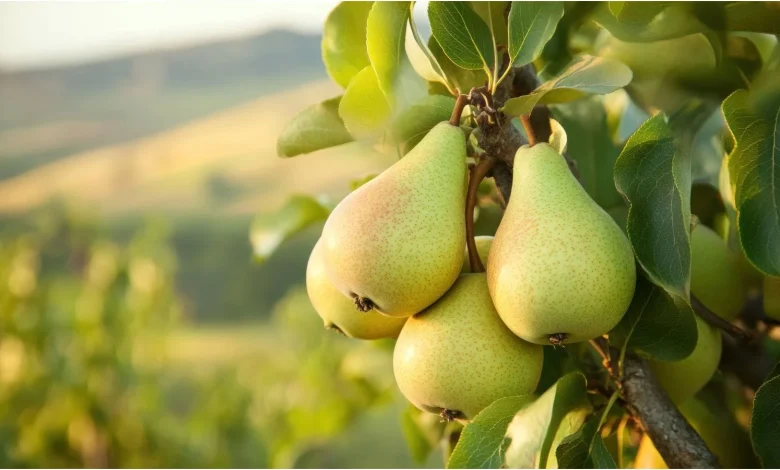
The concept of chill hours is fundamental to the lifecycle of deciduous fruit trees, yet it remains one of the most frequently overlooked factors in domestic horticulture. Simply put, these trees require a specific accumulation of hours between 0°C and 7°C during their dormant phase to reset their biological clocks. Without this adequate rest period, the hormonal signals required for bud break, uniform flowering, and fruit set fail to trigger correctly, leading to sporadic yields or complete crop failure. As British winters become increasingly mild and erratic, relying solely on ambient weather patterns is no longer a guaranteed strategy for the serious gardener. While we cannot control the macroscopic climate, we can significantly influence the microclimates within our gardens to preserve and maximize the chill accumulation our trees receive.
Success in this endeavor starts long before the first sapling is planted. It begins with a granular understanding of your garden’s thermal properties and the strategic placement of your orchard stock. The fruit trees specialists at Fruit-Trees nursery emphasize that detailed planning is the bedrock of a productive orchard. They note that “often, the difference between a bumper crop and a barren year is not the tree itself, but where it sits during the winter months. When you prepare to buy fruit trees, it is critical to match the variety’s specific chill requirement with the coldest, most consistent microclimate your garden can offer, rather than simply looking for the sunniest spot.” This professional insight highlights a counterintuitive truth: while summer sun is vital for sugar production, winter sun is often the enemy of dormancy.
Harnessing the Northern Exposure for Dormancy Preservation
The most effective, zero-cost method to naturally boost chill hours is to rethink the traditional advice regarding aspect. Gardeners are conditioned to seek out south-facing walls and sun-drenched slopes, assuming that heat is universally beneficial. However, for the accumulation of chill units, the northern aspect is a powerful ally. A south-facing position in the United Kingdom can experience significant diurnal temperature fluctuations during winter. On a clear January day, direct sunlight can raise the bark temperature of a fruit tree well above the 7°C threshold, effectively pausing or even reversing the accumulation of chill hours, even if the ambient air temperature remains low.
Planting on a north-facing slope or in the shadow of a north-facing wall ensures that the tree remains in the shade during the low arc of the winter sun. This positioning decouples the tree’s temperature from the direct solar radiation, keeping it closer to the ambient air temperature, which is more likely to stay within the crucial chill zone. The northern aspect acts as a thermal buffer, smoothing out the spikes in temperature that occur around midday. This consistency is key; a tree that stays at a steady 4°C accumulates chill units far more efficiently than one that cycles between 2°C at night and 10°C during the day.
Furthermore, this placement protects the tree from the phenomenon of “false spring.” Early warm spells in February can trick a tree into breaking dormancy prematurely if it is located in a warm, sunny pocket. Once the buds swell, the chill accumulation counter stops, and the tree becomes vulnerable to late frosts. A northern exposure delays this wake-up call, keeping the tree dormant for longer. This extension not only ensures the full quota of chill hours is met—vital for high-chill varieties of apples and cherries—but also synchronizes the bloom with safer, warmer spring weather, thereby protecting the potential harvest from late frost damage. This strategy requires no ongoing maintenance or equipment; it is a permanent, passive solution established the moment you dig the hole.
Mastering Microclimates with Strategic Winter Shading
If your garden lacks a natural northern aspect or if your existing trees are already situated in sunny spots, you must take an active role in manipulating the light environment. The goal is to create artificial winter shade without compromising the summer sunlight required for photosynthesis and fruit ripening. This can be achieved through the strategic use of temporary structures or the careful positioning of evergreen companions. The low angle of the winter sun in Britain means that even a moderate vertical barrier can cast a long shadow that envelopes a fruit tree during the critical months of December and January.
Erecting temporary burlap screens or shade cloth on the southern side of your fruit trees during the dormant season is a highly effective technique. These screens block direct solar radiation, preventing the trunk and branches from heating up. The physics behind this is straightforward: direct sunlight adds thermal energy to the tree’s tissues, raising their temperature significantly above the air temperature. By intercepting this light, you ensure the tree tissue remains at equilibrium with the cold air. This method is particularly useful for young trees or smaller dwarfing rootstocks where the entire canopy can be easily shaded. The screens can be removed in late March as the sun gets higher and the tree needs to begin its metabolic awakening.
Alternatively, a more permanent biological solution involves planting evergreen hedges or utilizing existing coniferous trees to the south of your deciduous orchard. The key here is geometry. You need a barrier that is tall enough to block the low winter sun but distant enough or pruned low enough to allow the high summer sun to pass over it. For example, a hedge of Yew or Holly planted at a calculated distance can cast a cooling shadow over your apple trees when the sun is at an altitude of 15 degrees in winter, yet allow full illumination when the sun reaches 60 degrees in summer. This “living shade” not only boosts chill accumulation by reducing solar gain but also acts as a windbreak, which, while beneficial for reducing desiccation, must be managed carefully to ensure it doesn’t create a frost pocket.
Optimizing Soil Thermal Mass Through Mulching
While much of the discussion on chill hours focuses on the buds and branches, the root system and the soil environment play a contributory role in the tree’s overall hormonal balance and dormancy status. Soil has a high thermal mass, meaning it is slow to cool down and slow to heat up. In the context of a warming climate, the soil can sometimes act as a heat sink, keeping the immediate microclimate around the base of the tree warmer than is ideal. Conversely, once the ground is cold, we want to trap that cold and prevent the soil from warming up too quickly during temporary mild spells.
Deep mulching is the primary tool for this thermal regulation. Applying a thick layer of organic material—straw, wood chips, or leaf mould—to a depth of 10 to 15 centimetres creates a powerful insulation layer. The timing of this application is crucial. Unlike the standard advice to mulch in spring for moisture retention, to boost chill preservation, one should ensure the mulch is topped up in late autumn or early winter after the first hard frosts have cooled the ground. The insulation locks the cold into the soil, dampening the temperature oscillations that occur in the air above.
This cold root zone reinforces the tree’s dormant state. While the primary chill sensors are located in the buds, a cool root run suppresses root activity and the upward flow of cytokinins that encourage wakefulness. Furthermore, a heavy mulch layer prevents the soil surface from absorbing solar radiation on sunny winter days. Bare soil is dark and absorbs heat; mulched soil is insulative. By keeping the root zone consistently cold, you provide a systemic signal to the tree that winter is still in force, discouraging the early break of dormancy that truncates chill accumulation. This technique is particularly effective in the erratic British climate, where a week of 12°C weather in January is not uncommon. The mulch ensures that while the air may be warm, the tree’s foundation remains in deep winter.
Enhancing Chill Through Canopy Density and Training
The architecture of the tree itself influences its thermal properties. Modern fruit growing often emphasizes open-centre pruning to maximize light penetration for fruit ripening. However, from a chill perspective, an overly open tree is fully exposed to winter heating. There is a delicate balance to be struck between the summer need for light and the winter need for cold. Modifying your pruning and training techniques can encourage a form of “self-shading” that helps preserve dormancy without sacrificing fruit quality.
For varieties on the borderline of viability regarding chill hours in your region, retaining a slightly denser canopy structure during the winter can be beneficial. By delaying the main structural pruning until late winter or early spring, rather than performing it in late autumn, you allow the complex of branches to shade one another. A dense network of twigs and branches intercepts sunlight before it hits the structural wood and the main fruiting spurs deep within the canopy. The outer branches may warm up, but they cast a shadow on the inner buds, keeping them cooler.
Additionally, the orientation of the fruiting arms impacts their solar exposure. Training systems that position the main fruiting branches horizontally or pointing northwards can reduce their direct insolation. Vertical branches facing south act as solar collectors. By training the tree so that its most critical fruiting wood is shaded by the central leader or by other branches during the midday sun, you create a cooler internal microclimate. This approach requires a nuanced hand—you must eventually prune to open the tree for the growing season—but leaving the “winter coat” of extra branches on for the duration of the dormant period allows the tree to accumulate maximum chill units. The act of pruning itself triggers hormonal activity, so delaying this disturbance until the chill requirement is met is a double-edged sword of benefit: you maintain shade and you avoid stimulating the tree into growth during the accumulation phase.
The Reflective Approach: Whitewashing Trunks
The final method is an age-old orchard practice that has largely fallen out of fashion in domestic gardens but remains scientifically sound: whitewashing. This involves painting the trunk and lower primary branches of the fruit tree with a diluted white latex paint or a traditional lime-based wash. The principle is simple albedo modification. Dark surfaces, like the natural bark of a cherry or apple tree, absorb a significant percentage of solar radiation. White surfaces reflect it.
During a sunny winter day, a dark tree trunk can heat up to 15°C or even 20°C higher than the ambient air temperature. This localized heating, known as sunscald, is damaging in itself, but it also drastically reduces the effective chill hours the tree perceives. The vascular tissue warms up, metabolic rates rise, and the accumulation of dormancy hours pauses. By whitewashing the trunk, you reflect the majority of this solar energy away from the tree. The bark temperature remains almost identical to the air temperature, ensuring that every hour the air is below 7°C is effectively counted by the tree as a chill hour.
This technique is most critical for the trunk and the crotches of the main scaffold branches, which are the structural highways for the tree’s energy. Keeping these main arteries cool prevents the premature mobilization of sap. It is a particularly useful strategy for stone fruits like plums and apricots, which are notorious for waking up too early in the British climate. The wash eventually weathers away or can be scrubbed off, but its presence during the deep winter months acts as a powerful passive cooling mechanism. It is a low-tech, high-impact intervention that directly counters the warming effect of the sun, ensuring that your desire to buy fruit trees of diverse and interesting varieties is not thwarted by the thermal dynamics of your specific garden plot.
Conclusion
The challenge of accumulating sufficient chill hours in a warming world forces the modern gardener to become a manager of microclimates rather than a passive observer of weather. We can no longer assume that the British winter will reliably provide the deep, uninterrupted cold that traditional orchard varieties demand. By utilizing northern aspects, creating artificial shade, insulating the soil, managing canopy density, and employing reflective trunk coatings, we can significantly tilt the odds in our favour.
These five methods do not change the weather, but they change how the tree experiences it. They smooth out the temperature spikes, protect against the deceptive warmth of the winter sun, and ensure that the dormancy clock keeps ticking even on bright January days. Implementing these strategies transforms the garden from a collection of plants into a carefully engineered ecosystem, capable of supporting high-quality fruit production despite the vagaries of the changing climate. The effort required to boost chill hours naturally is an investment in the resilience of the orchard, ensuring that when spring finally arrives, the trees are truly rested and ready to perform.